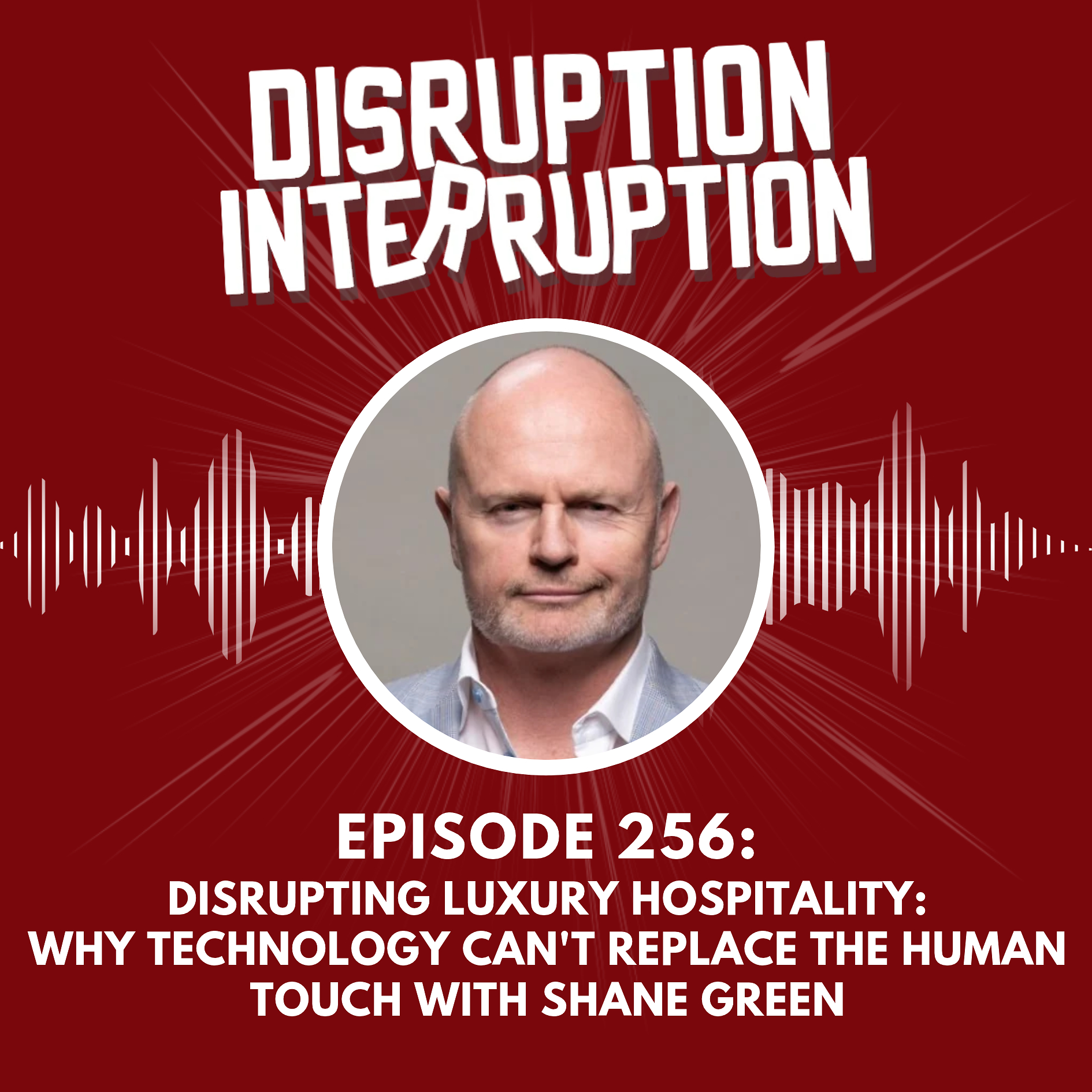
Hotel operators investing in AI and automation risk undermining the very thing that keeps guests coming back: a sense of being genuinely welcomed. That's the core argument from Shane Green, President and Founder of SGEi, a customer experience and culture consultancy, whose recent appearance on the Disruption Interruption Podcast puts a sharp challenge to the industry's current efficiency-first mindset.
A Mews survey released in October 2026, drawing on responses from 3,250 travelers across eight countries, found that 89% want AI deployed either alongside human staff or restricted to behind-the-scenes repetitive tasks. Critically, 75% said good hospitality still depends on human staff—data points that reinforce Green's view that technology should support, not substitute, the people on the floor.
Service vs. Hospitality
Green draws a clear operational distinction that many hoteliers blur. Service, he explains, is the transactional delivery of a task—completing a check-in, delivering towels, processing a bill. Hospitality is the feeling a guest takes away from how that task was performed. The guest experience, then, is the cumulative impression of all those moments across a stay. Hotel training programs, he argues, too often fixate on the measurable service layer—check-in completed in under three minutes, correct room key issued—while giving little structured attention to the interpersonal layer that actually drives loyalty. "If it takes five minutes, one minute, 10 minutes, it doesn't matter," Green says. "I only care that you feel welcome."
The implications extend beyond the front desk into hotel food and beverage outlets, spas, and event spaces. Green points to boutique properties as a model: by cultivating relationships with local residents—drawing them into the restaurant, bar, or spa as regulars—those hotels build a year-round revenue base and generate word-of-mouth referrals to visiting guests. "You have to be a local's favorite first," he says. That philosophy aligns closely with broader trends in hospitality F&B programming, where operators are designing outlet experiences intended to attract neighborhood traffic rather than relying solely on in-house guests.
Building It Into Operations
At SGEi, Green works with hotel operators to map the full guest journey, auditing existing service standards and pinpointing where interactions can be made more personal. The process involves training staff in conversation, observation, and the ability to read guest cues—skills that, Green notes, cannot be assumed. Social aptitude must be treated as a teachable operational competency, not a hiring prerequisite that either exists or doesn't.
Leadership development sits at the center of sustaining those gains. Hotels routinely promote strong individual performers into management roles without equipping them to lead teams, manage stress, or build a positive work environment. Green advocates front-loading that preparation—developing future managers on people skills before the title changes. The payoff is straightforward: staff who feel supported deliver better guest experiences consistently. "Take care of your team," Green says. "They'll take care of your customer."
For operators already navigating labor cost pressures and workforce retention challenges, that framing reframes the return on leadership training as a direct driver of guest satisfaction scores and repeat business—not simply an HR expense. As AI handles more of the transactional load in hotels and foodservice alike, the human moments that remain carry proportionally more weight.
Written by Michael Politz, Author of Guide to Restaurant Success: The Proven Process for Starting Any Restaurant Business From Scratch to Success (ISBN: 978-1-119-66896-1), Founder of Food & Beverage Magazine, the leading online magazine and resource in the industry. Designer of the Bluetooth logo and recognized in Entrepreneur Magazine's "Top 40 Under 40" for founding American Wholesale Floral, Politz is also the Co-founder of the Proof Awards and the CPG Awards and a partner in numerous consumer brands across the food and beverage sector.