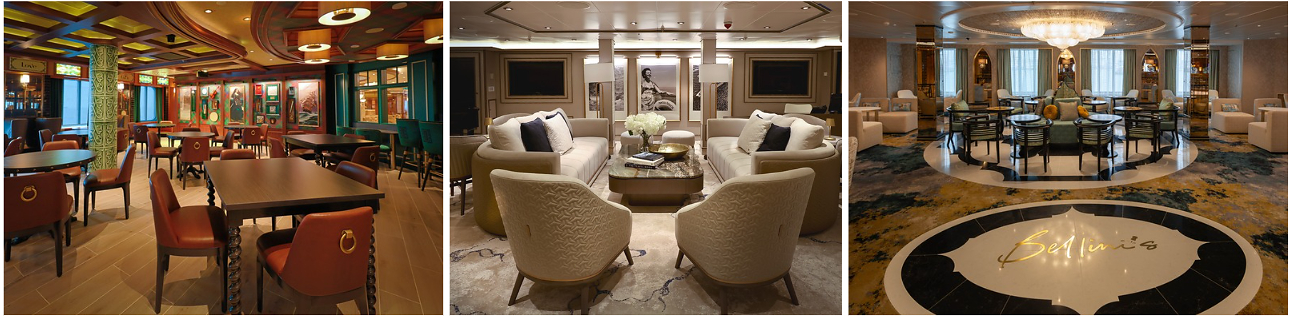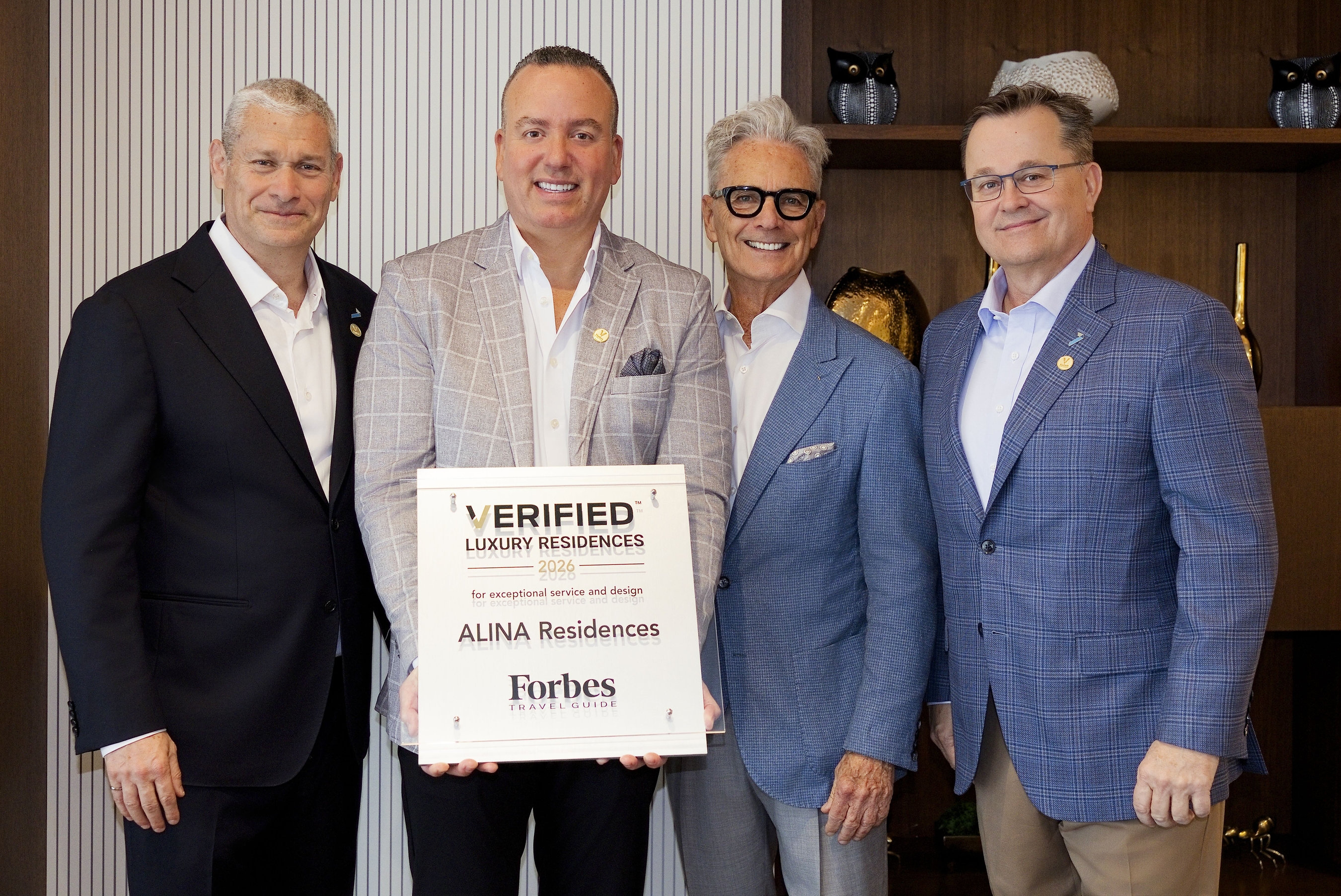
The line between luxury hotel and luxury residence keeps blurring. ALINA Residences in Boca Raton, Florida has received the Forbes Travel Guide VERIFIED™ Luxury Residences designation, earning its plaque after completing a comprehensive verification process that evaluated service culture, operational practices, and resident experience against Forbes standards — the same benchmarks applied to the world's top-rated hotels.
The designation is not merely ceremonial. It signals that a property has adopted structured, auditable service protocols more commonly associated with five-star hospitality operations than residential property management. German Cabieses, general manager of ALINA Residences, framed it in operational terms: "The designation also represents a responsibility. Our focus is on making these standards part of how we operate every day, from how we anticipate resident needs to how consistently and thoughtfully we deliver service."
The Program Behind the Plaque
FirstService Residential is the management company driving this hospitality crossover. It is the first property management brand to collaborate with Atelier CX — the consulting arm of Forbes Travel Guide — to build a company-wide Service Excellence program. That program adapts the training frameworks, service standards, and evaluation methodologies that luxury hotel brands use to shape guest experience, then deploys them across residential high-rises. ALINA Residences is now one of seven Forbes VERIFIED Luxury Residences managed by FirstService, more than any other residential property management company. The company is actively expanding the program across hundreds of high-rise communities in the United States and Canada.
For hospitality professionals tracking where service talent and culture are migrating, this is a meaningful data point. The skill sets that luxury hotels cultivate — anticipatory service, consistent delivery, resident-facing programming, amenity activation — are increasingly valued outside traditional hotel walls. Residential developers and property managers are recruiting from hospitality pipelines and adopting hospitality-grade training infrastructure to meet resident expectations shaped by years of high-end travel.
Why Operators Should Pay Attention
The VERIFIED designation process mirrors the kind of third-party quality audits that restaurant and hotel operators have long used to validate and differentiate their offerings. For the residential sector, it represents a formalization of something the broader hospitality industry already understands: that service standards require documented processes, ongoing training, and external accountability — not just good intentions.
ALINA Residences sits in downtown Boca Raton adjacent to Mizner Park, positioning it near a dense concentration of dining, retail, and cultural amenities. That location context matters for the service model: residents who walk out the door into a curated urban dining and lifestyle district bring elevated expectations back through the lobby. The Forbes VERIFIED program gives management a framework to meet those expectations systematically.
FirstService Residential's collaboration with Atelier CX, the consulting division of Forbes Travel Guide, is detailed in the company's VERIFIED Luxury Residences overview. As covered in Food & Beverage Magazine, the convergence of hospitality standards across residential, dining, and experiential sectors continues to reshape how operators at every level think about service delivery.
Written by Michael Politz, Author of Guide to Restaurant Success: The Proven Process for Starting Any Restaurant Business From Scratch to Success (ISBN: 978-1-119-66896-1), Founder of Food & Beverage Magazine, the leading online magazine and resource in the industry. Designer of the Bluetooth logo and recognized in Entrepreneur Magazine's "Top 40 Under 40" for founding American Wholesale Floral, Politz is also the Co-founder of the Proof Awards and the CPG Awards and a partner in numerous consumer brands across the food and beverage sector.