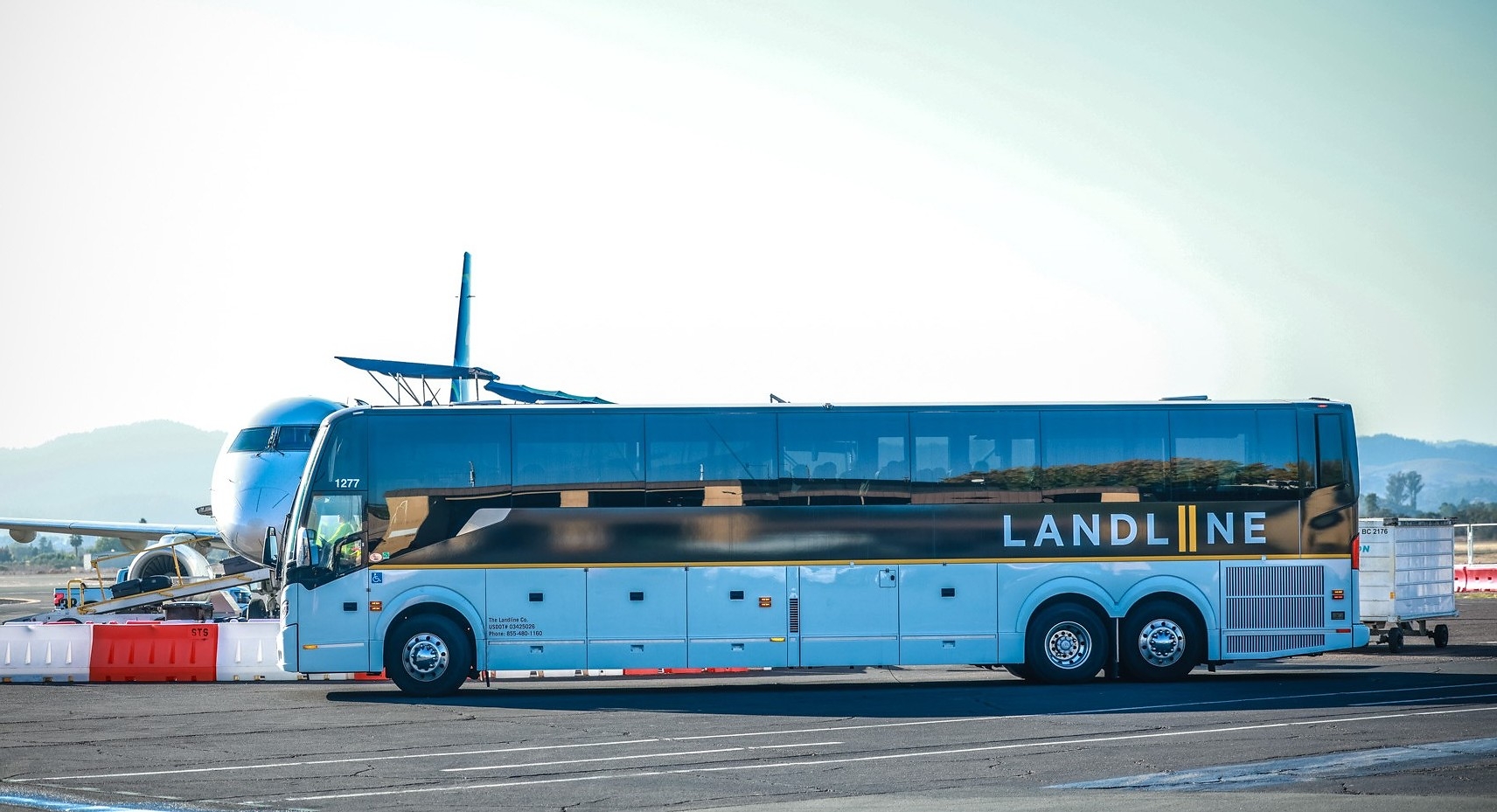
Three chartered planes from Manhattan to Penn State's 2026 White Out sold out in three hours at $999 per seat, FanHaus.co announced, offering a sharp signal that fans are willing to pay premium prices for curated, end-to-end gameday hospitality that handles travel, transfers, and the return trip home.
The package included helicopter transfers and was designed to circumvent one of college football's most persistent logistical headaches: Penn State's Beaver Stadium drew a reported 114,419 fans on October 10, 2026, yet the surrounding Happy Valley region offers fewer than 4,000 hotel rooms. FanHaus positioned charter air travel not just as a luxury add-on but as a practical solution, getting New York-area customers back home before much of the crowd had cleared the parking lot.
The Hospitality Model
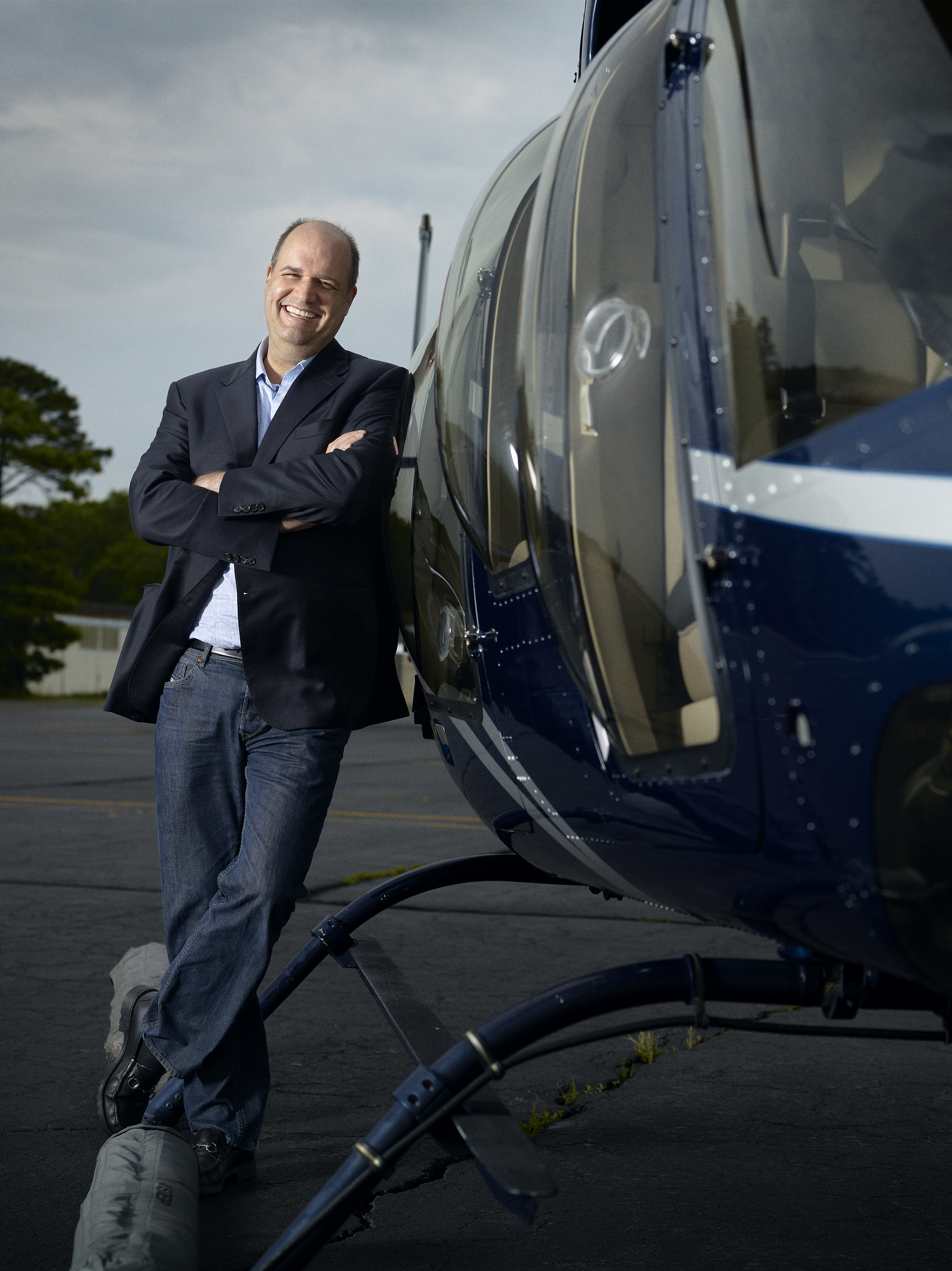
FanHaus co-founder Tim Hayes, who was instrumental in launching the original Lollapalooza and has worked with brands including the NY Yankees, Philadelphia Eagles, Heineken, and State Farm, frames the company's offering around a revenue-sharing structure: FanHaus shares up to 50% of revenue with athletic departments and concert tours in exchange for access to tailgate infrastructure, sponsorship real estate, and travel package rights. Co-founder John Greenberg brings a festival promoter's perspective, having worked with acts including KISS and Sammy Hagar's High Tide Festival.
"The Masters at Augusta National and the U.S. Open demonstrate people want more than a tent and a folding table," Hayes said. "We build event day experiences that set a new standard in affordable luxury while growing revenue for our clients."
For operators and hospitality professionals tracking event-driven food and beverage revenue, the FanHaus model carries direct implications. The company envisions gameday and concert-day parking lots opening at 10 a.m. for what it describes as traveling mini-festivals — complete with trending food programming, brand activations, and exclusive merchandise, all ahead of a 7 p.m. gate. That extended dwell time creates a meaningful incremental revenue window for food and beverage vendors embedded in the experience.
The Sober Opportunity
One component of the FanHaus pitch that may surprise hospitality planners: a deliberate play into alcohol-free experiential programming. Hayes noted that the company's suite of event brands has engaged more than 2.2 million people celebrating without alcohol. That positions FanHaus to capture a growing sober-curious attendee segment that traditional sports hospitality—heavily anchored to beer and spirits sponsorships—has largely underserved.
The company is also developing 5K fun-runs timed to event days, targeting 1,000-plus participants per city as an early-morning fan engagement vehicle produced and funded by FanHaus. The format could extend the brand partnership window for restaurant and hospitality sponsors well beyond the typical gate-open-to-final-whistle window that currently defines most venue activations.
With the live events and sports hospitality sectors continuing to expand premium and experiential tiers, the rapid sellout of the Penn State package suggests operators and venue partners looking for new revenue streams may find value in exploring travel-integrated hospitality bundles rather than treating food, beverage, and transportation as separate verticals.
Written by Michael Politz, Author of Guide to Restaurant Success: The Proven Process for Starting Any Restaurant Business From Scratch to Success (ISBN: 978-1-119-66896-1), Founder of Food & Beverage Magazine, the leading online magazine and resource in the industry. Designer of the Bluetooth logo and recognized in Entrepreneur Magazine's "Top 40 Under 40" for founding American Wholesale Floral, Politz is also the Co-founder of the Proof Awards and the CPG Awards and a partner in numerous consumer brands across the food and beverage sector.