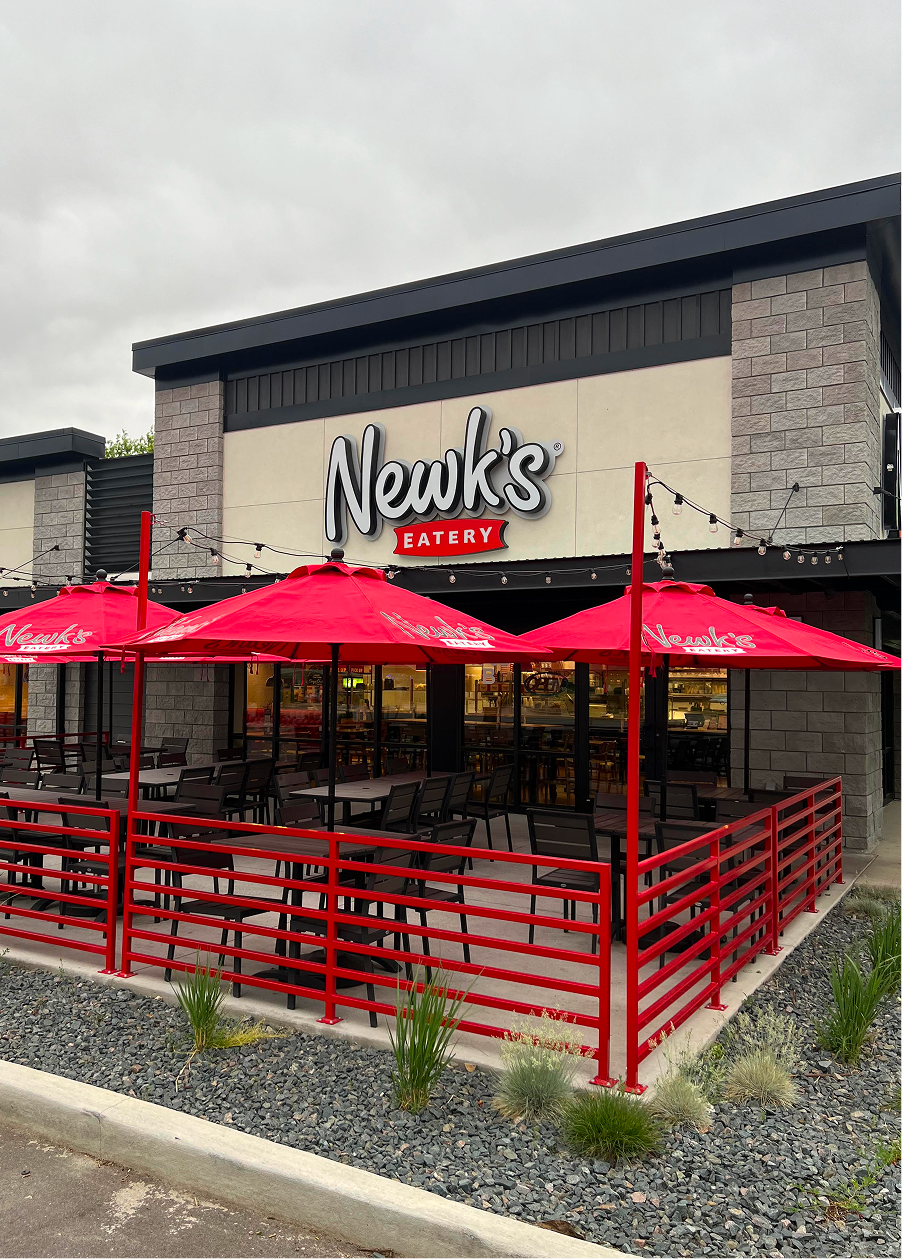
Convenience has officially edged out health as the primary driver of American food purchasing decisions, according to the 2026 Food & Health Survey from the International Food Information Council (IFIC) — the first time that has happened in 21 years. The finding carries direct implications for restaurant and foodservice operators navigating menu development, ingredient sourcing, and consumer messaging in an increasingly complex food environment.
What Shifted
For more than two decades, health considerations held the top spot when Americans described what guided their grocery and food choices. The IFIC survey data suggests that position has now flipped, with convenience reclaiming dominance it last held in 2005. Alongside that shift, the survey highlights a growing public debate around ultraprocessed foods — a category that has moved from academic nutrition discourse into mainstream consumer consciousness, complicating the way both shoppers and foodservice professionals frame "better-for-you" offerings.
The blurring of what qualifies as "healthy" is a persistent challenge operators face when crafting menus or marketing claims. As definitions evolve — influenced by social media, shifting dietary science, and the ultraprocessed food conversation — restaurants and hospitality venues must stay attuned to how their target guests are reinterpreting nutritional value. Our restaurant industry trend coverage has tracked how consumer health perceptions continue to reshape menu strategy across segments.
Operator Implications
For foodservice operators, a consumer base that is prioritizing convenience above health signals both an opportunity and a cautionary note. On one hand, speed-of-service, grab-and-go formats, and streamlined menus align well with this renewed convenience mandate. On the other, the intensifying scrutiny of ultraprocessed ingredients means operators cannot simply default to convenience-friendly processed components without risking reputational friction with health-conscious segments of their guest base.
The dual pressures — give guests what's fast and easy, but also navigate the ultraprocessed food backlash — are pushing the conversation toward whole or minimally processed ingredients that can still be prepared and served quickly. Food & Beverage Magazine has noted similar tensions playing out across retail and packaged goods, where brands are reformulating to shed ultraprocessed labels without sacrificing shelf stability or cost efficiency. Restaurant operators face a parallel challenge on the hot side of the pass.
The IFIC survey's findings also reinforce the importance of transparency in menu labeling and ingredient communication. As the ultraprocessed food dialogue grows louder, operators who proactively clarify sourcing, preparation methods, and ingredient quality may find a competitive advantage — particularly in full-service and fast-casual segments where guests expect more narrative around what they're eating. Staying ahead of that conversation, rather than reacting to it, will be a defining challenge for the beverage and food innovation space in the months ahead.
Written by Michael Politz, Author of Guide to Restaurant Success: The Proven Process for Starting Any Restaurant Business From Scratch to Success (ISBN: 978-1-119-66896-1), Founder of Food & Beverage Magazine, the leading online magazine and resource in the industry. Designer of the Bluetooth logo and recognized in Entrepreneur Magazine's "Top 40 Under 40" for founding American Wholesale Floral, Politz is also the Co-founder of the Proof Awards and the CPG Awards and a partner in numerous consumer brands across the food and beverage sector.