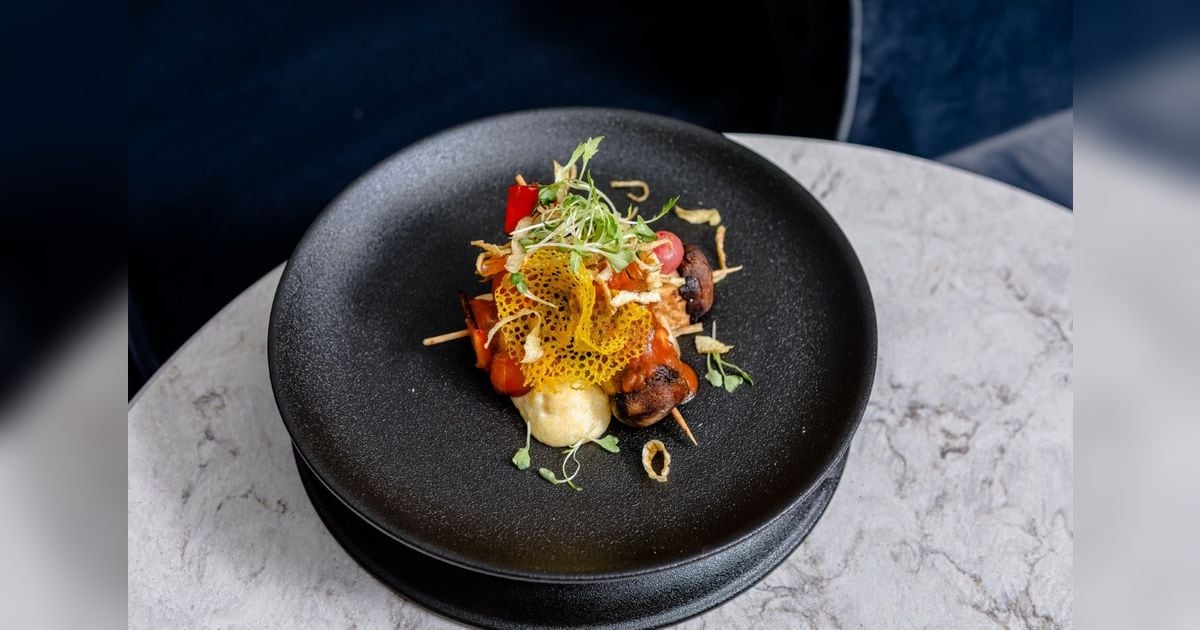
Chef Sam Diminich, whose Restaurant Constance earned recognition in the 2026 MICHELIN Guide American South, predicts that 2027 will reward chefs who can deliver high-level dining experiences while managing tightening margins. Diminich, founder of Your Farms Your Table Group in Charlotte and a MICHELIN Guide Mindful Voice, operates both fine-dining and casual concepts—Restaurant Constance and Grey's Diner and Community Kitchen—giving him insight into how cost pressures affect different service styles.
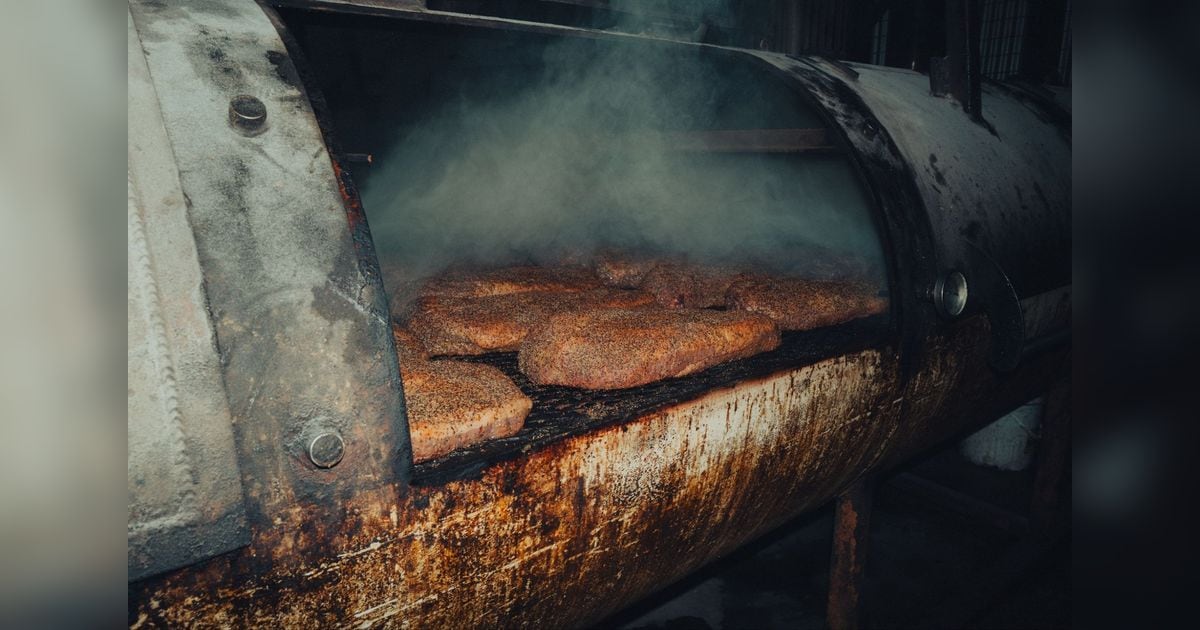
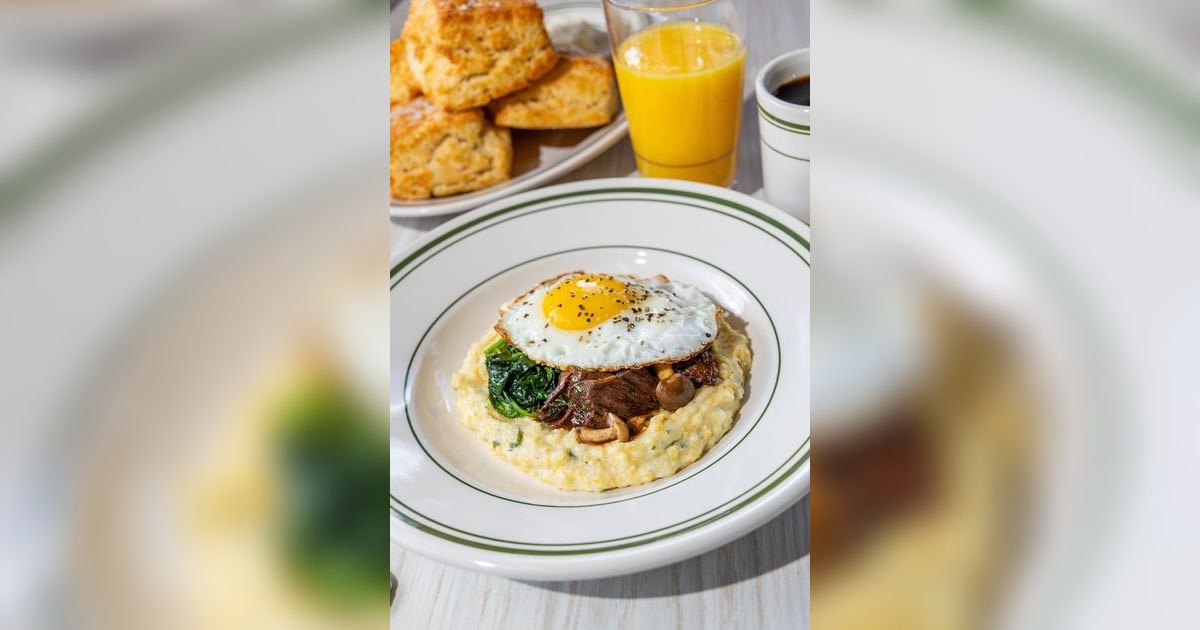
Four Trends Shaping 2027 Menus Creativity Over Ingredients Rising food costs will force chefs to rethink what makes dishes feel special. "Expect innovation, technique and creativity, rather than expensive ingredients, to set menus apart," Diminich said. Secondary Cuts Gain Prominence Proteins like short rib and lamb neck will appear more frequently as chefs apply thoughtful preparation to transform affordable cuts into standout dishes. Cross-Functional Kitchen Collaboration Savory and pastry teams will move beyond siloed operations to cross-utilize ingredients and repurpose items. A pastry team's biscuit, for example, could be reimagined as a savory biscuits-and-gravy vehicle. Zero Waste Becomes Baseline Kitchens will incorporate scraps into new dishes to protect margins while demonstrating respect for farmers and ingredients.
Redefining Luxury Diminich emphasizes that luxury doesn't require expensive imports. "Many of us think of caviar, truffles, or a fine cut of wagyu with luxury. But I think luxury can be a perfect strawberry picked right from the farm. Ingredients don't need to be imported or expensive to be luxurious."
Why It Matters
As operators face sustained pressure on food and labor costs, Diminich's predictions signal a shift away from ingredient-driven premiumization toward technique-driven value. Restaurants that master this transition—using skill and creativity to elevate affordable proteins and minimize waste—will likely capture both guest satisfaction and profitability in an increasingly constrained environment.
For more insights and trends in the food and beverage sector, check out more articles in The Food & Beverage Magazine family of publications.
Written by FBM Publications Editors