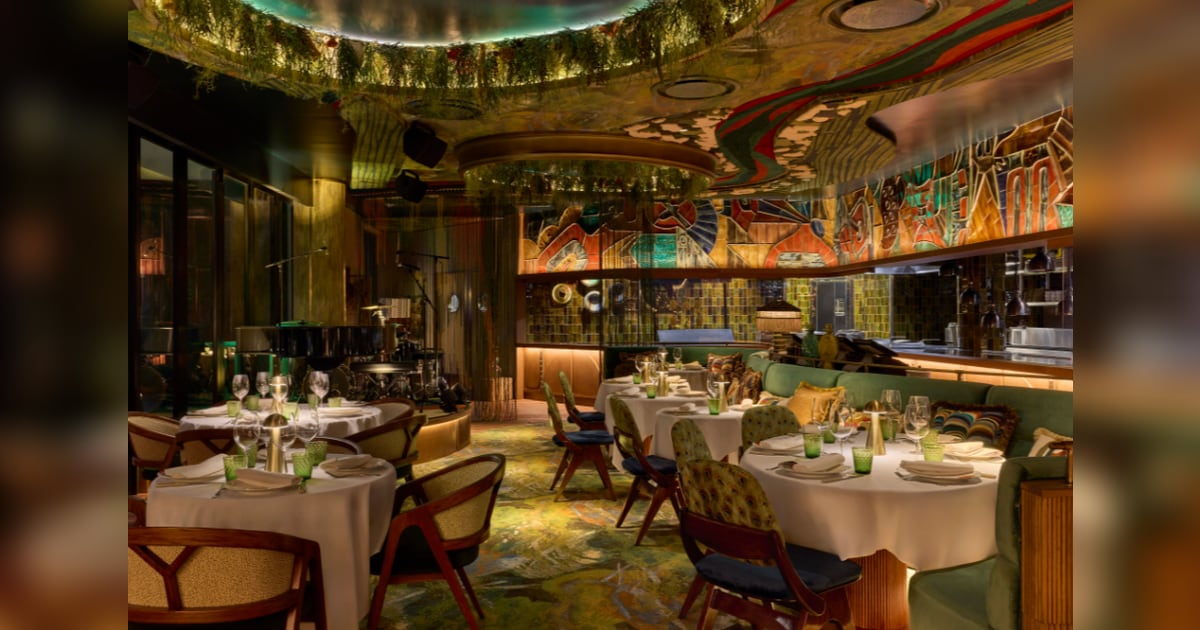
A Family Legacy in Spanish Cooking Chef Adolfo Garcia Jr. grew up immersed in Spanish cuisine through his father's restaurants, most notably RioMar, a beloved Spanish seafood establishment. His family's Panamanian heritage and early exposure to Spanish flavors, techniques, and ingredients shaped his culinary foundation long before he attended the Culinary Institute of America and worked in New York kitchens. Today, Garcia carries that legacy forward at Dolfy's, New Orleans' first Basque restaurant located on Freret Street in Uptown. The restaurant explores the cooking of the Basque Country and Iberian Peninsula through live-fire techniques, Gulf seafood, pintxos, and bold Spanish flavors. "For me, these foods are tied to family and to growing up in restaurants," Garcia says. "My father introduced me to Spanish cooking at a very young age, but as I've grown as a chef, I've wanted to understand those traditions more deeply and interpret them through my own experiences."
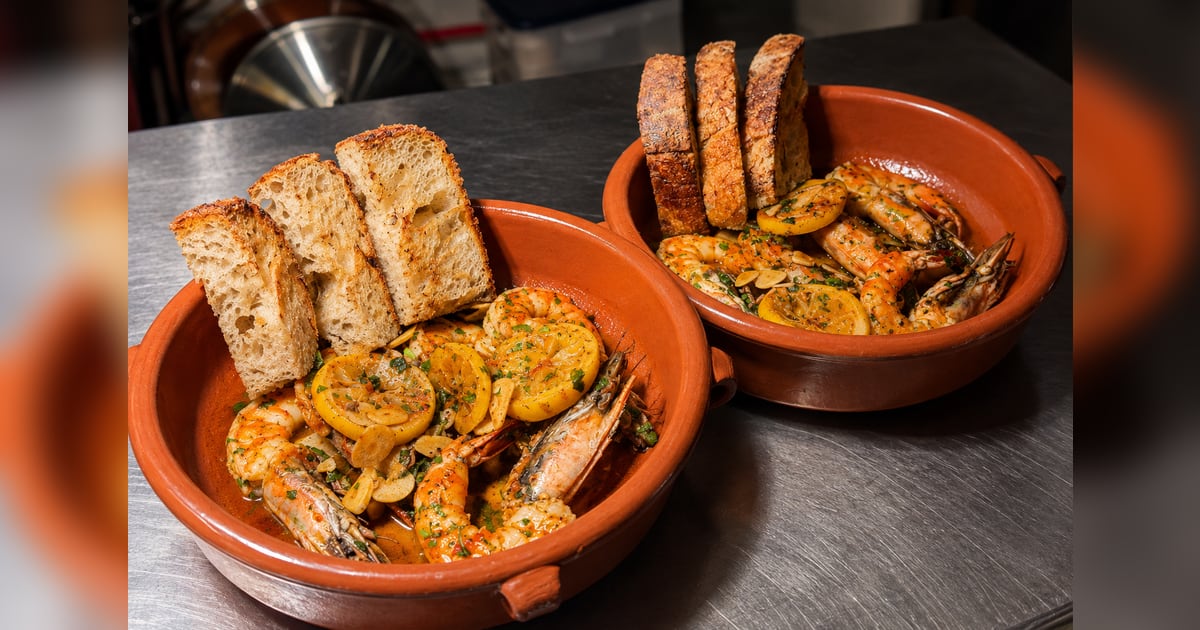
Spotlighting Spain's Role in New Orleans Food History During Hispanic Heritage Month (September 15–October 15), Garcia is drawing attention to Spain's often-overlooked influence on New Orleans cuisine—a culinary legacy that typically receives far less recognition than the city's French and Creole traditions. As part of the celebration, Garcia is sharing his recipe for Shrimp Al Ajillo, the first dish he ever learned to cook. The dish showcases Gulf seafood that has remained central to New Orleans' culinary identity. Dolfy's serves dinner Wednesday through Sunday from 5 p.m. to 10 p.m. at 4508 Freret Street. Reservations and additional information are available at www.dolfys.com and @dolfys_nola on Instagram.
Why It Matters
Garcia's work at Dolfy's adds depth to New Orleans' restaurant landscape by emphasizing a cultural and culinary tradition that operators and diners often overlook in favor of the city's more dominant French and Creole narratives. For independent restaurants seeking differentiation, the Spanish approach—particularly Basque techniques and regional ingredients—represents both historical authenticity and contemporary dining appeal.
For more insights and trends in the food and beverage sector, check out more articles in The Food & Beverage Magazine family of publications.
Written by FBM Publications Editors