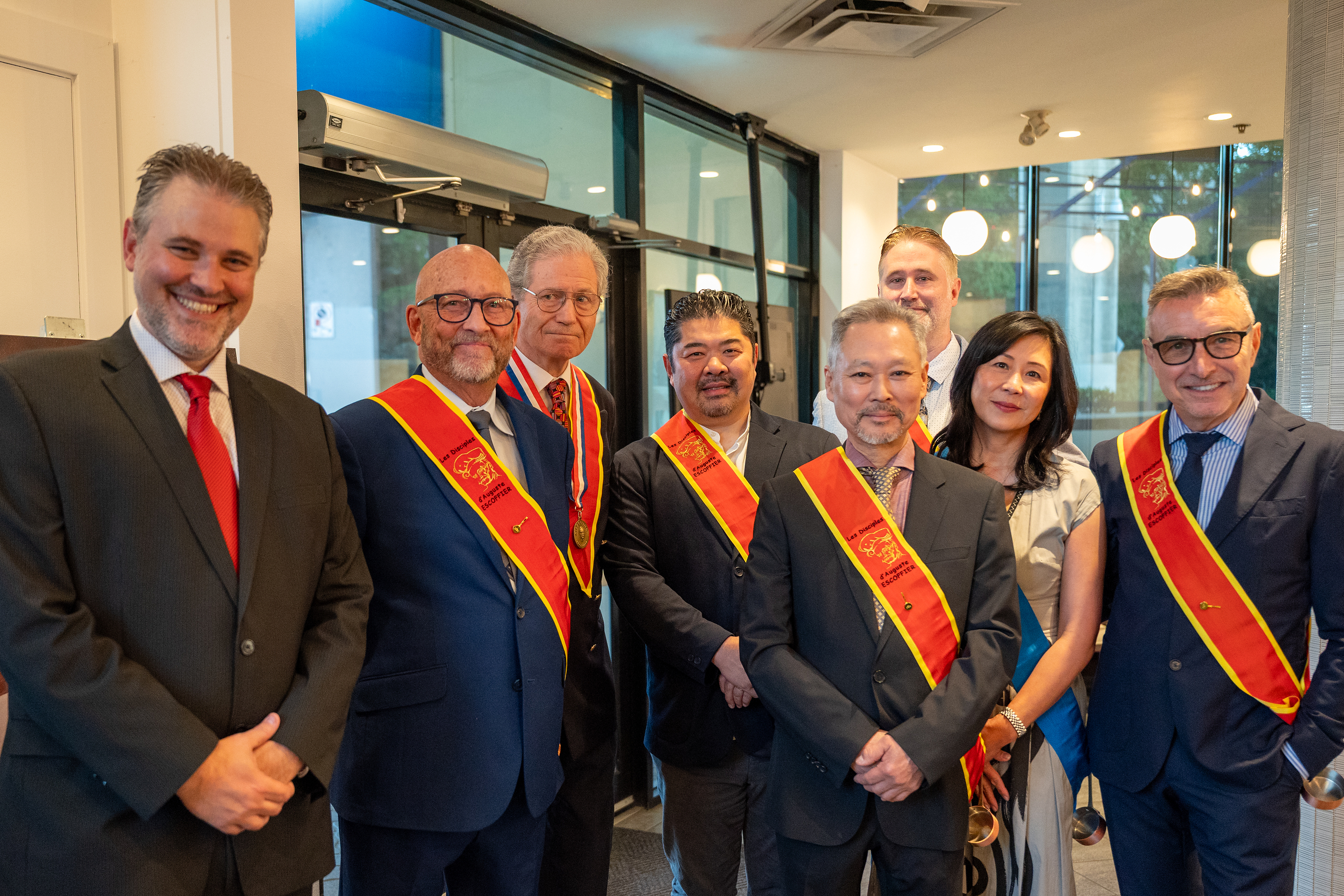
Charleston Hospitality Group (CHG) is inviting equity partners, joint-venture operators, and conversion candidates into its established franchise structure, marking a significant expansion pivot for the 21-year-old, 11-restaurant organization operating across Charleston and Savannah.
The move signals a deliberate shift from organic growth to capital-assisted scaling — a strategy gaining traction among mid-size regional groups that have built durable unit economics but lack the balance-sheet depth of national chains. By opening to JV and conversion structures in addition to traditional equity, CHG broadens its appeal to operators who may want to rebrand existing locations rather than build from scratch.
Why It Matters
For prospective partners evaluating the opportunity, CHG's two-decade operating history across two distinct Southeastern markets provides a track record that early-stage franchise concepts simply cannot offer. Investors and operators increasingly weigh unit-level profitability, brand consistency, and market saturation before committing capital — factors CHG's longevity and multi-market footprint are positioned to address. Industry observers tracking restaurant franchise expansion trends note that conversion deals in particular have accelerated as independent operators seek the support infrastructure of an established brand without the cost of a ground-up build.
The Partnership Structures
The three partnership tracks — equity investment, joint venture, and conversion — each carry different risk and control profiles. Equity partners provide capital in exchange for ownership stake; JV arrangements typically involve shared operational responsibility; and conversion deals allow existing restaurateurs to adopt the CHG brand and systems. Offering all three simultaneously widens the funnel considerably and suggests CHG is prioritizing speed of footprint growth over a single standardized deal structure. Operators exploring similar multi-format partnership models can find relevant context in our hospitality investment and deal coverage.
The Southeastern restaurant market, anchored by tourism-heavy metros like Charleston and Savannah, has remained resilient even as broader foodservice traffic has softened in other U.S. regions. CHG's geographic concentration in those two cities gives prospective partners a foothold in markets with strong hospitality demand and favorable consumer spending on dining experiences. As reported by Food & Beverage Magazine, regional operators with deep community ties and proven multi-unit systems are increasingly attractive to investors seeking alternatives to oversaturated national QSR brands.
Written by Michael Politz, Author of Guide to Restaurant Success: The Proven Process for Starting Any Restaurant Business From Scratch to Success (ISBN: 978-1-119-66896-1), Founder of Food & Beverage Magazine, the leading online magazine and resource in the industry. Designer of the Bluetooth logo and recognized in Entrepreneur Magazine's "Top 40 Under 40" for founding American Wholesale Floral, Politz is also the Co-founder of the Proof Awards and the CPG Awards and a partner in numerous consumer brands across the food and beverage sector.