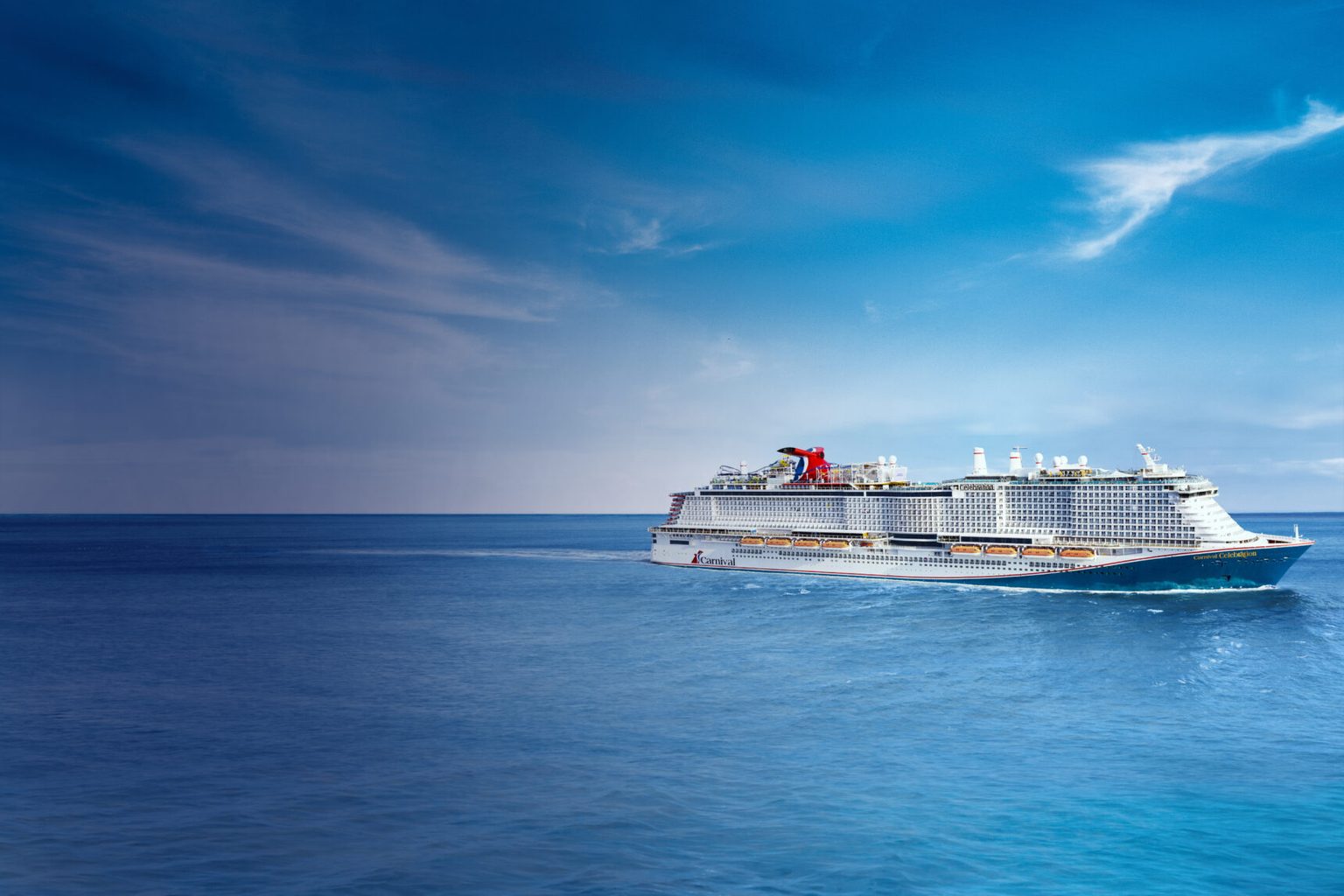
Carnival Corporation has extended its surplus meal donation program to The Bahamas, redirecting more than 318 pounds of prepared, unserved meals from two cruise ships to community organizations on Grand Bahama Island — a move that signals how large-scale hospitality operators are building structured food recovery systems into their standard port operations.
The inaugural donation was offloaded from Carnival Freedom and Carnival Conquest, with meals delivered to the Grand Bahama Children's Home and the Urban Renewal Authority. Meals were rapidly chilled, stored, and transferred ashore under established food safety protocols and in compliance with local regulatory requirements — a logistics model Carnival has refined since the program's 2017 launch.
The Operational Framework
The effort sits within Carnival's broader "Less Left Over" food waste reduction strategy, which targets surplus prepared food across its fleet rather than raw ingredient waste alone. That distinction matters for foodservice operators watching the model: the program deals with fully cooked, plated-quality meals that would otherwise be discarded after service periods close, requiring cold-chain management and regulatory clearance at each new port.
Marie McKenzie, senior vice president of government and destination affairs at Carnival Corporation, described the expansion as a function of partnership depth rather than unilateral logistics. "Working alongside government leaders and community organizations, we're able to connect what happens on board our ships with real needs on shore," she said. The Bahamas' Minister for Grand Bahama, The Honourable Ginger Moxey M.P., echoed that framing, citing a shared commitment to ensuring quality meals reach those who need them.
Scale and Caribbean Momentum
As of year-end 2025, the program has delivered more than 320,000 meal portions globally across 20 ports. The Bahamas addition follows recent launches in Roatan, Honduras and the Dominican Republic, pointing to an accelerating rollout through Latin America and the Caribbean — regions where Carnival's private destination investments also concentrate.
Beyond meals, Carnival reports completing more than 20 ship donation events across Nassau, Grand Bahama, and Eleuthera since late 2025, redistributing furniture, clothing, bicycles, and household goods from Carnival Cruise Line vessels to 19 recipient organizations spanning disaster relief, youth development, healthcare, and education.
For hospitality and foodservice operators tracking food waste reduction strategies, the Carnival model illustrates how high-volume kitchens — whether at sea or on land — can build repeatable recovery infrastructure by pre-negotiating regulatory pathways and cold-chain handoffs with community partners before surplus events occur. The approach aligns with growing interest across the restaurant and hospitality sector in diverting prepared food from landfills while meeting community needs, an area where third-party platforms and regional food banks have also been scaling partnerships with large chains and hotel groups.
Written by Michael Politz, Author of Guide to Restaurant Success: The Proven Process for Starting Any Restaurant Business From Scratch to Success (ISBN: 978-1-119-66896-1), Founder of Food & Beverage Magazine, the leading online magazine and resource in the industry. Designer of the Bluetooth logo and recognized in Entrepreneur Magazine's "Top 40 Under 40" for founding American Wholesale Floral, Politz is also the Co-founder of the Proof Awards and the CPG Awards and a partner in numerous consumer brands across the food and beverage sector.