The Event Model
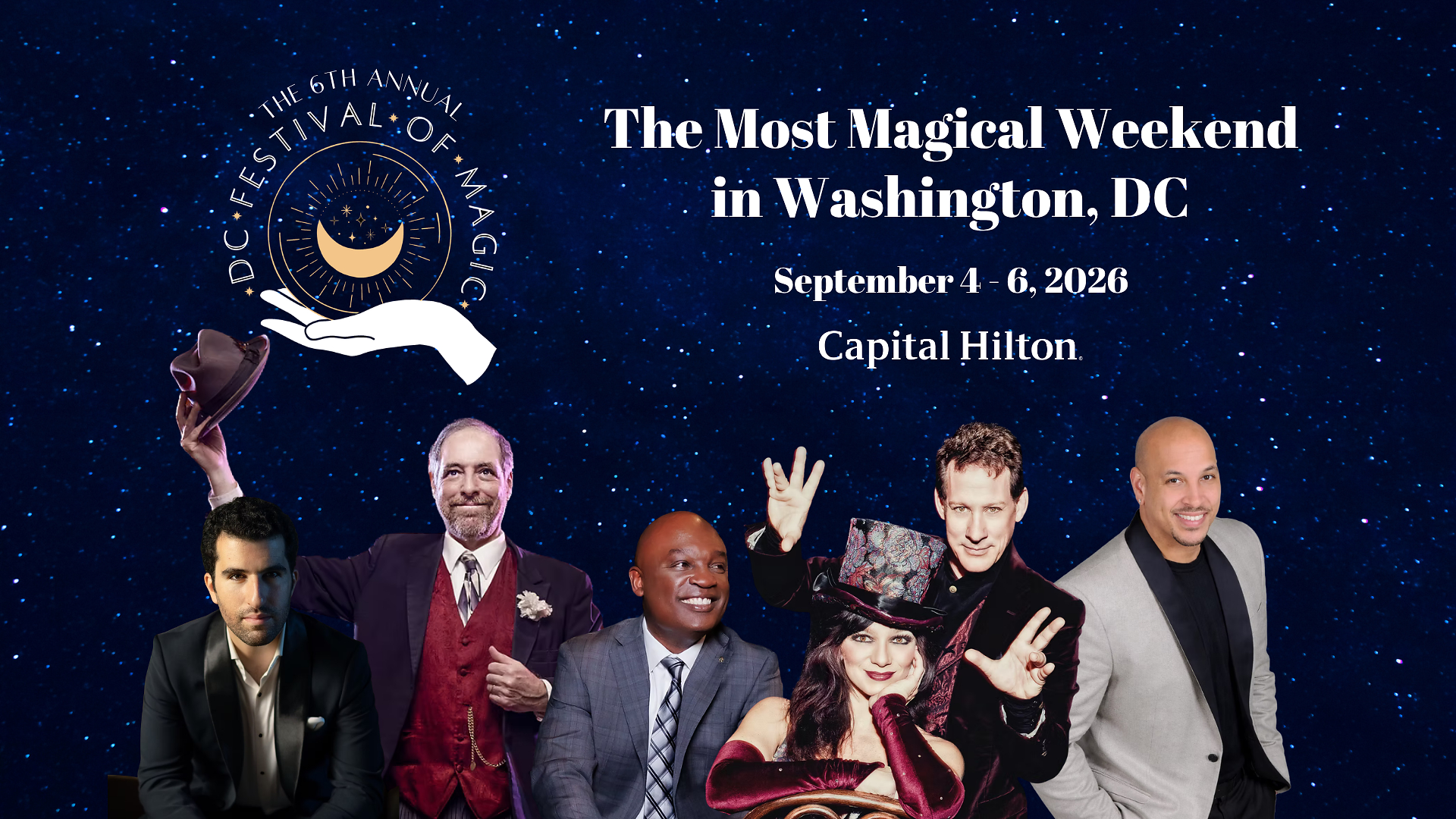
Capital Hilton will host its sixth annual DC Festival of Magic over Labor Day weekend, September 4–6, 2026, turning a traditionally soft travel window into a fully programmed hospitality experience. The partnership with Destination DC gives the property a co-marketing engine while the festival's six ticketed performances anchor a weekend-long guest journey across the hotel's public spaces.
The beverage component is where operators will find the most transferable takeaway. The hotel's Statler Lounge is serving thematic cocktails tied directly to the festival's theme — The Truth Serum, built from mandarin vodka, passionfruit juice, and lemon, is the flagship example — alongside tableside magic from local performers nightly from 8 to 9 p.m. That combination of curated F&B and live entertainment transforms the bar program from a passive amenity into an active revenue driver on each night of the event.
The Package Play
Capital Hilton's Festival of Magic Package bundles two All-Access Passes (a combined $190 value) with two complimentary beverages at the Statler Lounge, with rates starting at $268 plus tax per night. The structure is a clear example of the ancillary-revenue bundling strategy that hotel F&B operators have increasingly adopted to justify premium rate positioning during competitive periods like holiday weekends.
The festival was founded by DMV native Brian Curry, a Washington City Paper Performing Artist of the Year recipient and winner of the Milbourne Christopher Award for Mentalism. Since its 2019 debut at Capital Hilton, the event has grown into a marquee cultural activation for the property. This year's six-show lineup runs across all three days, headlined by mentalist Jason Suran on Sunday evening and international illusionist Mark Kalin on Saturday night.
Why It Matters for Operators
For hospitality and foodservice professionals, the DC Festival of Magic is worth examining as a programming template. A historic full-service hotel — Capital Hilton opened in 1943 and sits on the National Register of Historic Places — is using a recurring, branded cultural event to solve three operational challenges at once: filling rooms over a soft weekend, activating the bar and lounge program with a narrative reason to visit, and generating earned media through a destination-worthy experience.
The model aligns with broader trends in experiential hospitality and event-driven F&B, where properties compete less on room product alone and more on what guests can only do at that specific hotel. Packaging show tickets with beverage credits also shortens the guest decision path and increases average spend per stay without requiring significant capital investment — the entertainment infrastructure is provided by the festival's outside organizers.
Tickets for individual performances are available at dcmagicfestival.com.
Written by Michael Politz, Author of Guide to Restaurant Success: The Proven Process for Starting Any Restaurant Business From Scratch to Success (ISBN: 978-1-119-66896-1), Founder of Food & Beverage Magazine, the leading online magazine and resource in the industry. Designer of the Bluetooth logo and recognized in Entrepreneur Magazine's "Top 40 Under 40" for founding American Wholesale Floral, Politz is also the Co-founder of the Proof Awards and the CPG Awards and a partner in numerous consumer brands across the food and beverage sector.