Karl Waller's The Brass Tap location in Marina, California, posted the highest sales volume in the entire franchise system during its first full year of operation, earning him the brand's Highest Sales Volume Award at the 2026 FSC Franchise Conference. The recognition follows Waller's 2025 Franchisee of the Year honor—back-to-back awards that underscore how a community-focused playbook can outperform more established units in a competitive craft-beer bar segment.
From Supply Chain to Craft Beer
Waller's background is less typical hospitality than it is operations and logistics. He spent 25 years at Amway Corporation, ultimately serving as director of global agribusiness operations with oversight across multiple countries and states, before retiring early and re-entering franchising. He had previously owned a Mail Boxes Etc. location before that concept converted to The UPS Store. When he began scouting his next venture, a visit to a Brass Tap near his then-home in Flower Mound, Texas, persuaded him the upscale tavern concept fit the gap he saw in Marina—a Central Coast city experiencing new residential development but limited dining and entertainment options. "One customer described [Marina] as a desert for this type of business—a nice place to eat, drink and have fun," Waller said.
Food and Events Drive the Mix
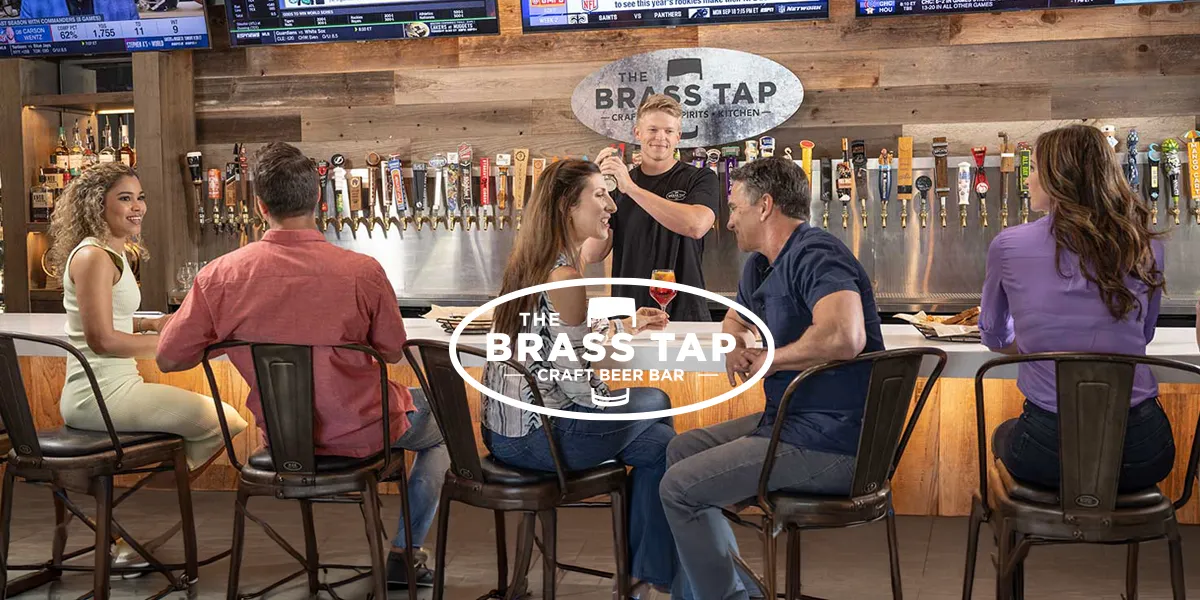
Waller initially expected craft beer to anchor the location's revenue, a reasonable assumption given The Brass Tap's positioning around an extensive tap list, cocktails, and spirits. In practice, the chef-inspired food menu became an equally important traffic driver, pulling in families alongside the bar crowd and broadening the location's day-part appeal well beyond late-night. Live entertainment and event programming reinforced that positioning, making the Marina unit a go-to venue for group gatherings in an underserved market. That willingness to follow guest demand—rather than stick rigidly to a preconceived concept—mirrors a broader trend in craft-beer bar and tavern operations where food attachment rates increasingly determine unit-level profitability.
Waller also built a management team capable of running daily operations without his constant presence, a structural choice he made from the outset. "From day one, I didn't want to be an owner-operator," he said. "I didn't want the success of the business to be tied to just me running the business." That approach freed him to focus on guest relations and special events—high-leverage activities for a neighborhood-destination concept. Chris Elliott, CEO of FSC Franchise Co., credited the combination of guest listening, food and events investment, and management trust for the unit's performance. "Marina is a strong example of The Brass Tap working the way it was designed, as a local destination people choose to come back to," Elliott said.
The Brass Tap now operates more than 50 locations across 16 states, a footprint that gives the brand enough scale to benchmark unit economics meaningfully—and makes Waller's first-year top-volume finish a data point worth noting for prospective franchisees evaluating the beverage-forward casual dining segment. Coverage of the craft-beer and upscale tavern franchise space is an ongoing focus for Food & Beverage Magazine as operators navigate evolving consumer preferences across alcohol categories.
Written by Michael Politz, Author of Guide to Restaurant Success: The Proven Process for Starting Any Restaurant Business From Scratch to Success (ISBN: 978-1-119-66896-1), Founder of Food & Beverage Magazine, the leading online magazine and resource in the industry. Designer of the Bluetooth logo and recognized in Entrepreneur Magazine's "Top 40 Under 40" for founding American Wholesale Floral, Politz is also the Co-founder of the Proof Awards and the CPG Awards and a partner in numerous consumer brands across the food and beverage sector.