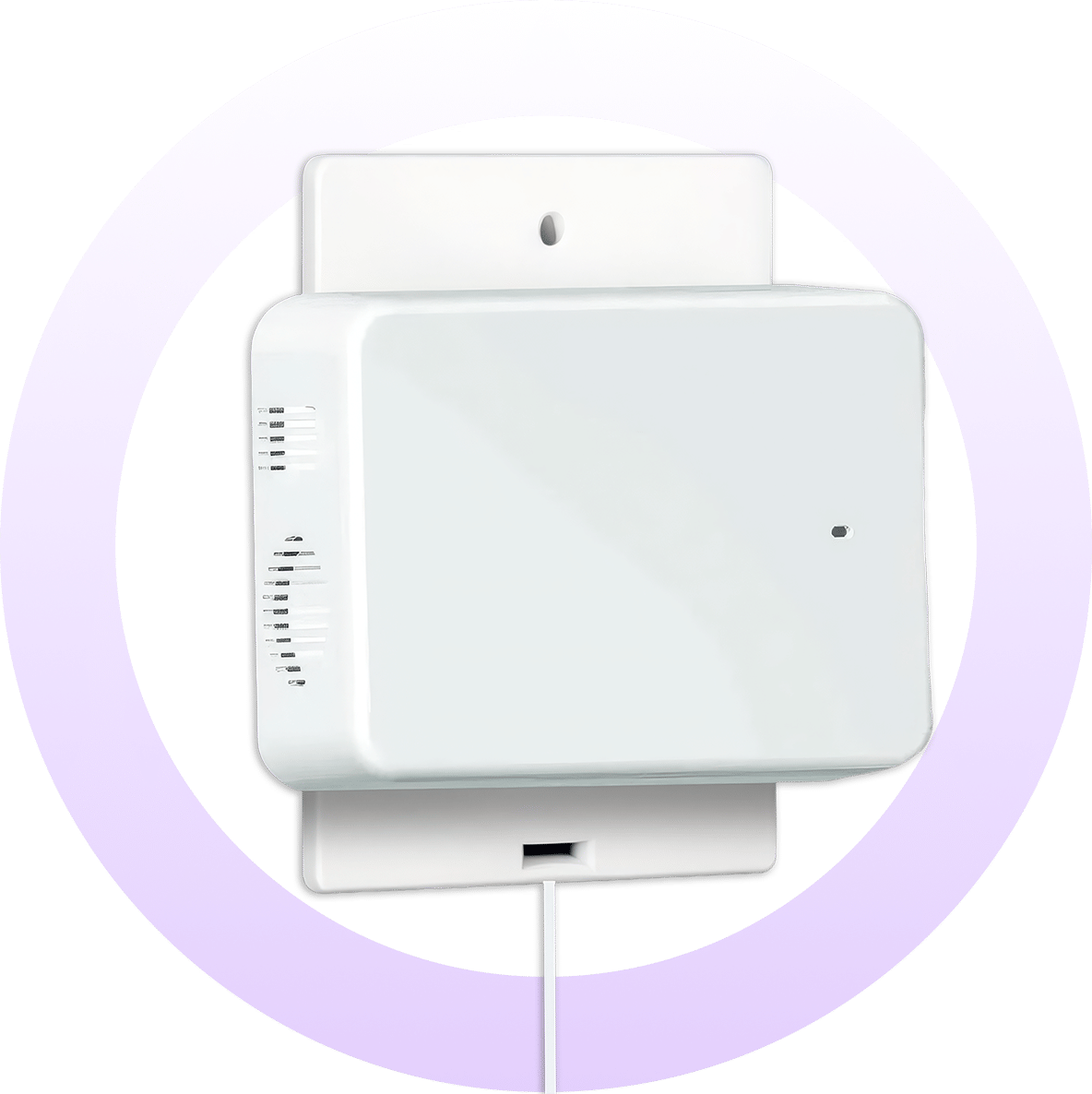
Smoking and vaping incidents at Austin-area hotels equipped with ReST Sensor dropped 63% during Formula 1 race week this fall compared with the same week in 2025, according to data released by the hospitality technology company. The five properties tracked across both race weeks recorded just 15 incidents during Oct. 19–25, down from 40 during race week the prior year — a period when Austin hotels were expected to hit 92%–95% occupancy.
The Numbers
The broader monthly picture reinforces the trend. Across seven Austin-area hotels totaling roughly 990 rooms, incidents fell from 157 in September to 143 in October — a 9% decline — even as the market absorbed both weekends of the Austin City Limits Music Festival and three Texas Longhorns home football games alongside the Grand Prix. That stands in sharp contrast to the same two-month stretch a year earlier, when incidents rose 43% at the properties then using the sensor.
Why Policy Matters
ReST attributes much of the improvement to how hotels communicate their smoke-free policies rather than the technology alone. Properties with well-communicated policies cut their incident rate by 25%, according to the company, typically because they also inform guests that rooms are monitored by sensors. Effective operators state the policy in booking confirmations, reinforce it at check-in and post signage in the room — setting expectations before guests are tempted to light up or vape.
"Austin's fall shows that a full event calendar doesn't have to bring more smoking and vaping into guest rooms," said Christine Myer, co-founder and VP of Customer Operations & Marketing at Rest. "When a hotel makes its smoke-free policy clear from the start and applies it the same way every week, most people respect it, and the next guest gets the fresh room they booked."
How the Tech Works
ReST Sensor functions as a continuous indoor air-quality monitor. When readings cross defined thresholds associated with combusted or vaporized tobacco, marijuana, or nicotine, the device sends a time-stamped alert to the hotel's secure cloud dashboard. Staff review the event's timing and duration alongside any guest context before deciding on follow-up under the property's own policies. The unit carries no camera or microphone, and ReST itself does not contact guests or issue charges — enforcement authority stays entirely with the hotel.
The findings arrive as operators finalize hotel technology and guest-experience strategies heading into the holiday travel season and begin locking in staffing and protocols for a packed 2027 event calendar. For hospitality professionals tracking smoke-free compliance and room-condition management, the Austin data offers a concrete benchmark: policy communication and sensor deployment together appear to hold incident rates down even when occupancy spikes and guest turnover accelerates. The results also underscore a broader industry push toward privacy-safe monitoring tools that give hotel teams actionable data without crossing guest-privacy lines.
Written by Michael Politz, Author of Guide to Restaurant Success: The Proven Process for Starting Any Restaurant Business From Scratch to Success (ISBN: 978-1-119-66896-1), Founder of Food & Beverage Magazine, the leading online magazine and resource in the industry. Designer of the Bluetooth logo and recognized in Entrepreneur Magazine's "Top 40 Under 40" for founding American Wholesale Floral, Politz is also the Co-founder of the Proof Awards and the CPG Awards and a partner in numerous consumer brands across the food and beverage sector.