Flexible packaging supplier American Packaging Corporation has invested in electron beam (EB) coating technology and precision slitting equipment specifically aimed at tea brands, positioning itself to address a segment where flavor preservation and high-speed line performance are persistent pain points for producers.
What the Technology Does
APC's EB coatings apply high-gloss, scuff-resistant finishes without solvents or emissions — a meaningful distinction for tea, whose volatile aromatic compounds are easily compromised by chemical residues during the packaging process. Fixed-blade-width slitters complement the coating upgrade by delivering tight slit tolerances and uniform roll profiles, with automated handling from master roll to pallet. For tea brands running high-speed filling lines, roll consistency directly affects uptime and changeover efficiency.
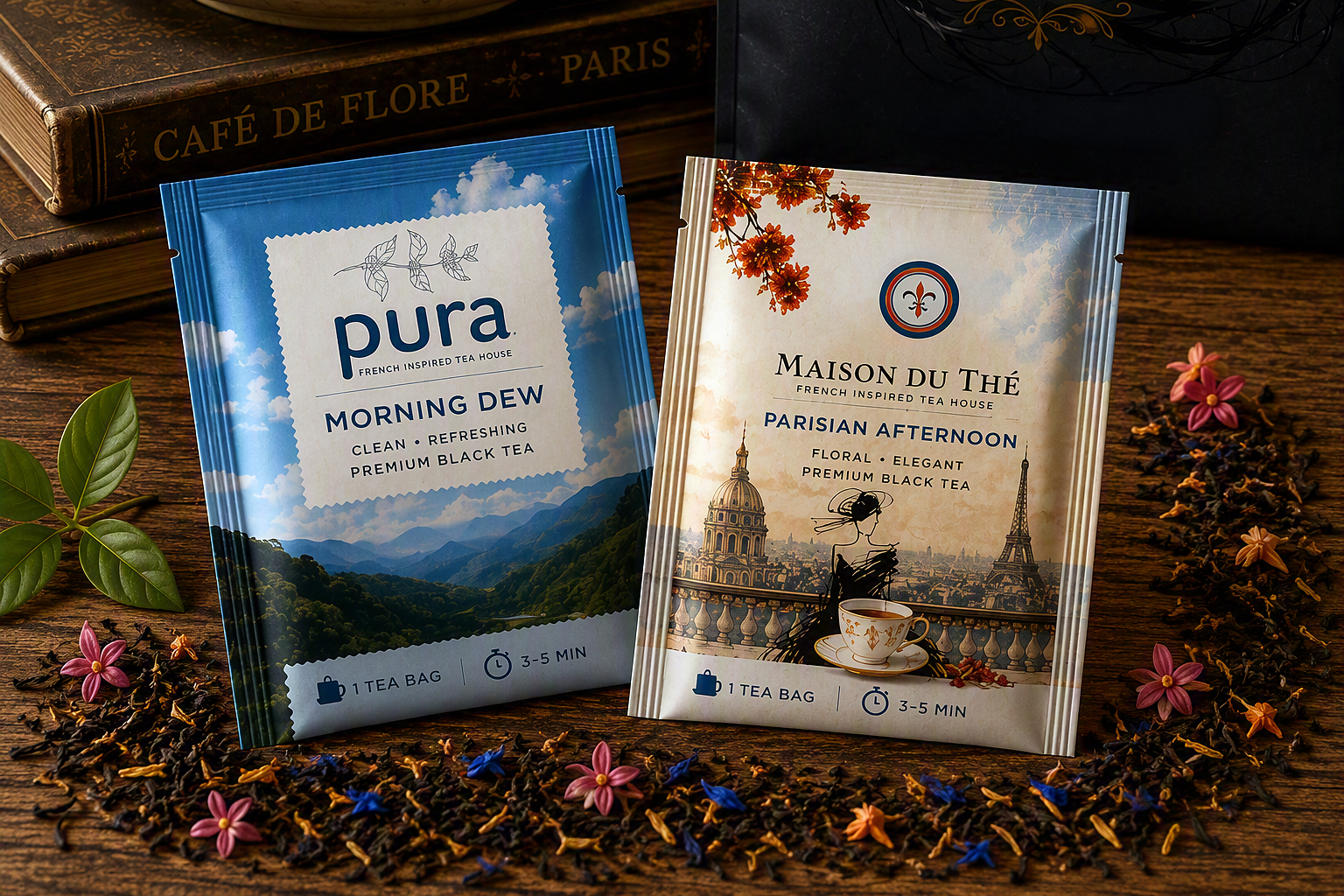
The company's converting platform supports flexographic, rotogravure, and digital printing, along with extrusion and adhesive lamination to build structures with the barrier properties each SKU requires. Compatible substrates include paper, foil, metallized films, and other flexible materials — a range broad enough to cover loose-leaf pouches, pyramid sachet rolls, canister liners, and single-serve formats within a single supplier relationship.
Operator and Brand Implications
For tea brand managers and co-manufacturers, consolidating flexible packaging to a supplier with matched printing, laminating, coating, and slitting capabilities can reduce lead times and qualification complexity. The EB coating approach also aligns with growing retailer and brand pressure to eliminate solvent-based processes from supply chains, without sacrificing the premium gloss finish that drives shelf differentiation in the increasingly crowded premium and specialty tea category.
APC lists freshness and aroma protection, premium print and finish quality, reliable high-speed filling performance, and sustainable packaging options as the four core outcomes its tea packaging solutions target. The Wisconsin-based company operates six U.S. Centers of Excellence and employs approximately 1,300 people — scale that matters when tea brands need to match packaging supply to seasonal demand spikes around holiday gifting and new blend launches.
The development is worth tracking alongside broader beverage industry packaging trends, where flexible formats continue to displace rigid containers across hot and cold categories. It also connects to ongoing supply-chain conversations in food and beverage manufacturing, where solvent-free converting technologies are gaining traction as brands prepare for tightening environmental regulations and voluntary sustainability commitments. Founded in 1902, APC has positioned itself as a family-owned alternative to the large publicly traded flexible packaging consolidators — a pitch that resonates with mid-market specialty food and beverage brands seeking more direct technical collaboration.
Written by Michael Politz, Author of Guide to Restaurant Success: The Proven Process for Starting Any Restaurant Business From Scratch to Success (ISBN: 978-1-119-66896-1), Founder of Food & Beverage Magazine, the leading online magazine and resource in the industry. Designer of the Bluetooth logo and recognized in Entrepreneur Magazine's "Top 40 Under 40" for founding American Wholesale Floral, Politz is also the Co-founder of the Proof Awards and the CPG Awards and a partner in numerous consumer brands across the food and beverage sector.