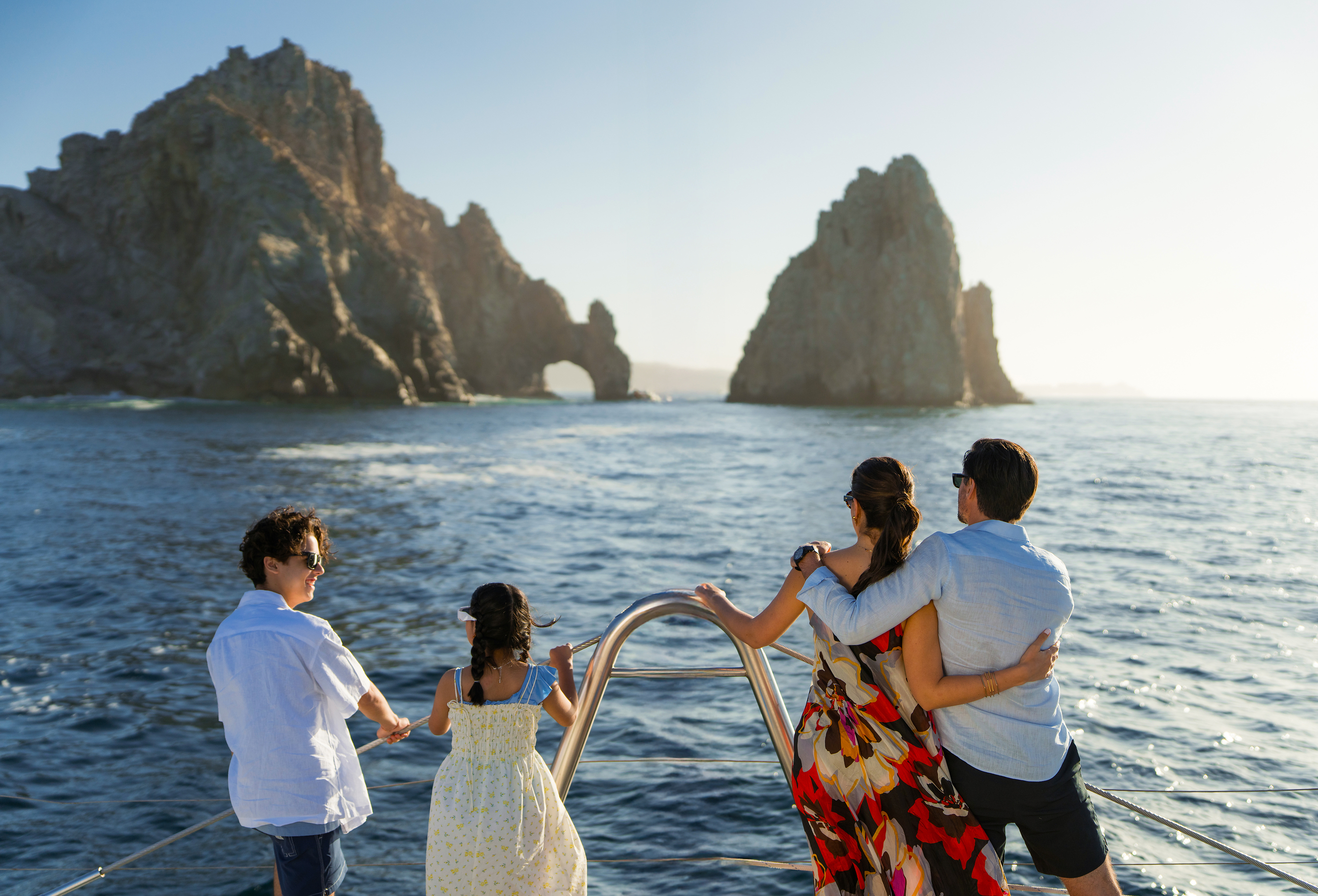
Los Cabos is entering one of the most concentrated periods of luxury hospitality investment in its history, with Aman, St. Regis, Grand Hyatt, and Soho House all slated to open within the next 18 months, according to the Los Cabos Tourism Board.
What's Coming
The incoming pipeline spans far beyond traditional hotel rooms. Championship golf courses, high-end wellness concepts, and branded residential communities are all part of the development wave, positioning the Baja California Sur corridor as a vertically integrated luxury destination—one where guests can sleep, play, eat, and own within a tightly curated ecosystem. For hospitality operators and food-and-beverage professionals watching the region, the scale of branded investment signals serious long-term demand for premium experiences at this destination.
Operator Implications
The arrival of marquee flags like Aman and Soho House carries significant F&B implications. Both brands are known for destination-driven dining programs that attract non-hotel guests and generate standalone revenue. Soho House in particular has built its global reputation around members-focused food and beverage programming, while Aman properties consistently anchor culinary concepts to local sourcing and wellness-forward menus. Operators in the region—and those evaluating entry into the Los Cabos market—should expect rising consumer expectations around dining quality, ingredient provenance, and experiential F&B as these properties come online.
The broader hospitality buildout also points to growing competition for skilled culinary and service talent across the destination. Resorts entering a market simultaneously often accelerate labor demand, a dynamic that operators in established resort corridors know well. Industry professionals tracking hospitality labor and staffing trends will find Los Cabos an instructive case study in the coming months.
Market Context
Los Cabos has steadily climbed the ranks of ultra-premium travel destinations over the past decade, drawing investment that mirrors development patterns seen in established luxury corridors. The concentration of globally branded properties signals that institutional hospitality capital views the destination as mature enough to support multiple overlapping five-star flags—a threshold few Mexican markets have crossed. For food and beverage suppliers, this kind of branded density creates wholesale and partnership opportunities as new properties source local and regional ingredients to differentiate their programming.
For a broader view of how luxury resort development is reshaping F&B strategy across North America, see Food & Beverage Magazine's ongoing coverage of destination dining. Operators can also benchmark these developments against beverage and hospitality trends shaping resort markets across the region.
Written by Michael Politz, Author of Guide to Restaurant Success: The Proven Process for Starting Any Restaurant Business From Scratch to Success (ISBN: 978-1-119-66896-1), Founder of Food & Beverage Magazine, the leading online magazine and resource in the industry. Designer of the Bluetooth logo and recognized in Entrepreneur Magazine's "Top 40 Under 40" for founding American Wholesale Floral, Politz is also the Co-founder of the Proof Awards and the CPG Awards and a partner in numerous consumer brands across the food and beverage sector.