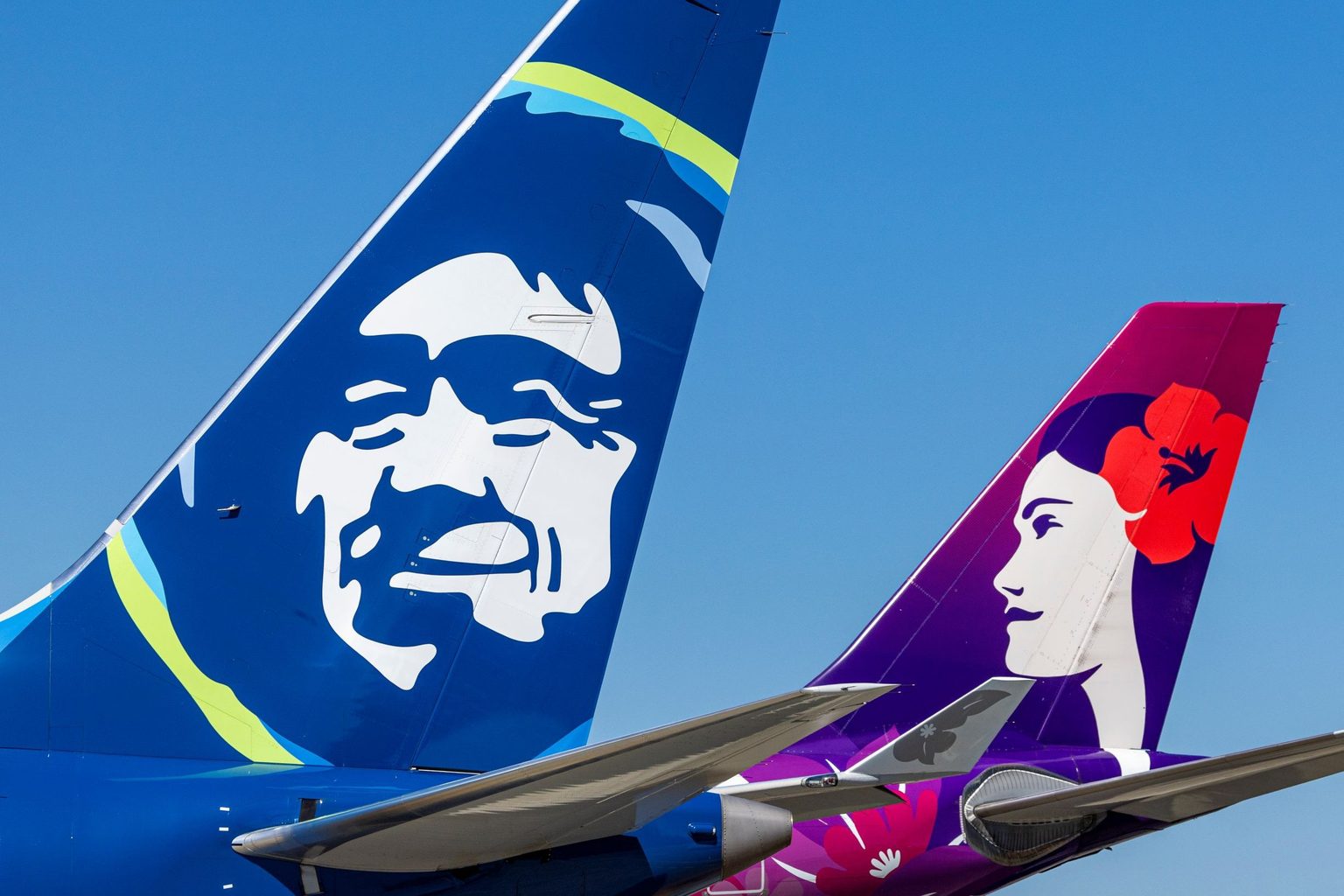
Alaska Air Group posted a Q2 2026 GAAP net loss of $76 million on total operating revenue of $4.1 billion — up 10% year-over-year — with onboard food and beverage service costs rising 10% to $107 million as the carrier accelerated premium cabin investment and absorbed the costs of integrating Hawaiian Airlines' galley and service operations.
For hospitality and foodservice suppliers serving the airline sector, the numbers tell a clear story: Alaska is spending more per flight on guest experience even while fighting a fuel crisis. Economic fuel cost hit $4.43 per gallon in Q2, an 85% year-over-year spike that generated $600 million in incremental fuel expense and drove the quarterly loss. Strip out that headwind and the underlying commercial momentum is substantial — premium revenue climbed 15%, cargo revenue rose 21%, managed corporate revenue accelerated 30%, and loyalty cash remuneration jumped 19%.
Premium Push on the Ground
The carrier's lounge and premium ground experience investments signal growing competition for high-value travelers, with direct implications for hospitality food and beverage operators who supply airport and lounge concepts. Alaska opened a new Portland International Airport lounge — twice the size of its predecessor — and unveiled plans for a two-floor Seattle flagship lounge set to open in 2027, featuring showers, premium bars, à la carte dining, and chef-curated seasonal menus. The move underscores a broader industry shift toward restaurant-quality hospitality as a loyalty driver, a trend beverage industry analysts have been tracking as airlines compete aggressively for premium spend.
Hawaiian Airlines joining the oneworld alliance simultaneously expands the footprint of these elevated service standards to over 900 global destinations across more than 170 territories.
Q3 Outlook and What It Means for Suppliers
Looking ahead, management guided for Q3 unit revenue growth in the low double digits year-over-year and projects economic fuel cost to ease to $3.75 per gallon — down from Q2's $4.43 — as refining margins moderate. Non-fuel unit costs are expected to rise only in the low-to-mid single digits, a meaningful improvement as integration-related transitory expenses roll off. Adjusted earnings per share guidance for Q3 ranges from $0.00 to $1.00.
The airline also announced an agreement to add four 737-800 freighter aircraft, effectively doubling cargo fleet capacity, with those planes expected to enter service in the first half of 2027. Completed 737 cabin retrofits added expanded first and premium class seating across the narrowbody fleet, directly increasing the seats requiring elevated food and beverage service. CEO Ben Minicucci attributed the quarter's underlying strength to disciplined execution: "We led the industry in on-time performance for the first half of the year, completed the last major technical milestone of our Hawaiian integration, launched service to Europe, and returned to profitability in June."
Written by Michael Politz, Author of Guide to Restaurant Success: The Proven Process for Starting Any Restaurant Business From Scratch to Success (ISBN: 978-1-119-66896-1), Founder of Food & Beverage Magazine, the leading online magazine and resource in the industry. Designer of the Bluetooth logo and recognized in Entrepreneur Magazine's "Top 40 Under 40" for founding American Wholesale Floral, Politz is also the Co-founder of the Proof Awards and the CPG Awards and a partner in numerous consumer brands across the food and beverage sector.