Independent restaurants facing margin erosion from third-party delivery commissions have two new platform options spotlighted by Restaurant Insider Magazine: 5L Direct and 5L Food Services, which together aim to reduce operators' dependence on high-fee marketplaces while opening additional revenue streams.
Two Distinct Models
5L Direct positions itself as a branded direct-ordering stack, bundling online ordering, customer relationship management, and integrated marketing into a single platform. The pitch to operators is straightforward: steer repeat customers away from commission-heavy aggregators, retain more revenue per transaction, and own the data that drives loyalty. The platform also offers expansion into new digital brands and revenue channels, though specific terms were not disclosed.
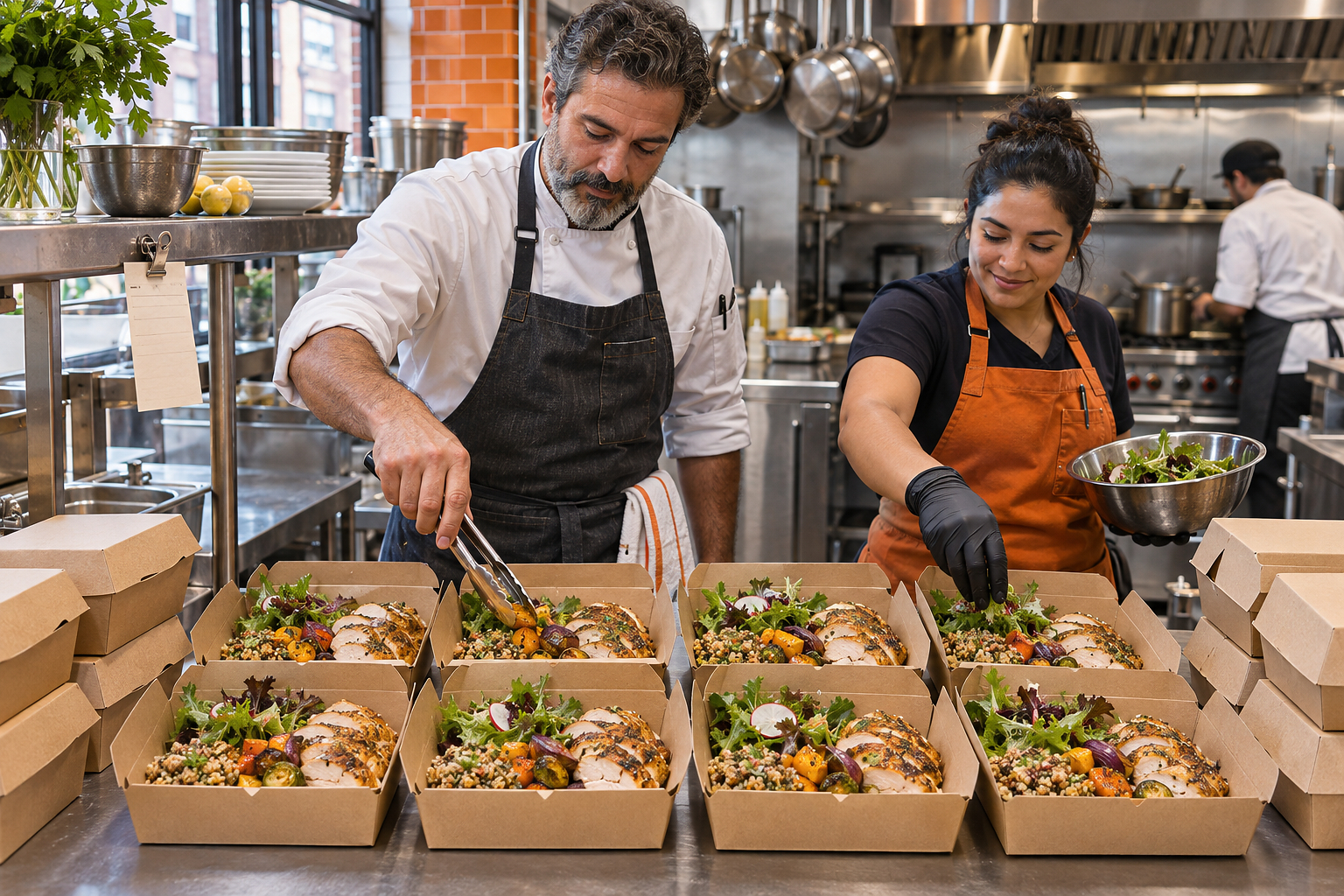
5L Food Services takes a different route. The company functions as a wholesale purchasing and marketing partner, sourcing orders from new customer pools and buying fulfilled meals from partner kitchens at pre-agreed wholesale prices. Restaurants prepare food only when an actual order lands—meaning no upfront marketing outlay and no idle labor or inventory risk. The model is explicitly designed to monetize spare kitchen capacity without requiring new locations, additional sales staff, or acquisition spending.
Why It Matters for Operators
The timing speaks to a persistent pressure point across the independent restaurant segment. Third-party delivery platforms have drawn sustained criticism from operators for commission structures that can consume 15–30% of order value, leaving thin-margin kitchens with little room to invest in growth. At the same time, building proprietary digital ordering infrastructure has historically demanded capital and technical resources that most independent operators lack.
The 5L model attempts to thread that needle by layering two complementary offerings: a direct-channel tool that strengthens owned customer relationships, and a wholesale fulfillment network that generates incremental volume without incremental fixed costs. For operators with excess capacity during off-peak hours or slower dayparts, the wholesale arrangement in particular represents a low-risk revenue test.
The broader context is a restaurant technology landscape that has grown increasingly crowded with direct-ordering and ghost-kitchen adjacency plays since the pandemic reshaped delivery demand. What differentiates 5L Food Services on paper is the wholesale purchase structure, which shifts demand-generation risk away from the restaurant entirely—a meaningful distinction for operators who have already spent marketing budgets chasing customers through aggregator platforms.
Restaurant Insider Magazine's recognition is a trade endorsement rather than an independent audit, but it does signal that both platforms have cleared a threshold of industry credibility. Operators evaluating either solution should scrutinize wholesale pricing terms and volume guarantees before committing kitchen capacity, as profitability will depend heavily on the spread between wholesale rates and actual food and labor costs.
Written by Michael Politz, Author of Guide to Restaurant Success: The Proven Process for Starting Any Restaurant Business From Scratch to Success (ISBN: 978-1-119-66896-1), Founder of Food & Beverage Magazine, the leading online magazine and resource in the industry. Designer of the Bluetooth logo and recognized in Entrepreneur Magazine's "Top 40 Under 40" for founding American Wholesale Floral, Politz is also the Co-founder of the Proof Awards and the CPG Awards and a partner in numerous consumer brands across the food and beverage sector.