Wine Spending Tops $115B as Americans Drink Less
Record dollar totals mask a structural volume decline — and the ripple effects are already hitting restaurant wine programs and DTC channels.
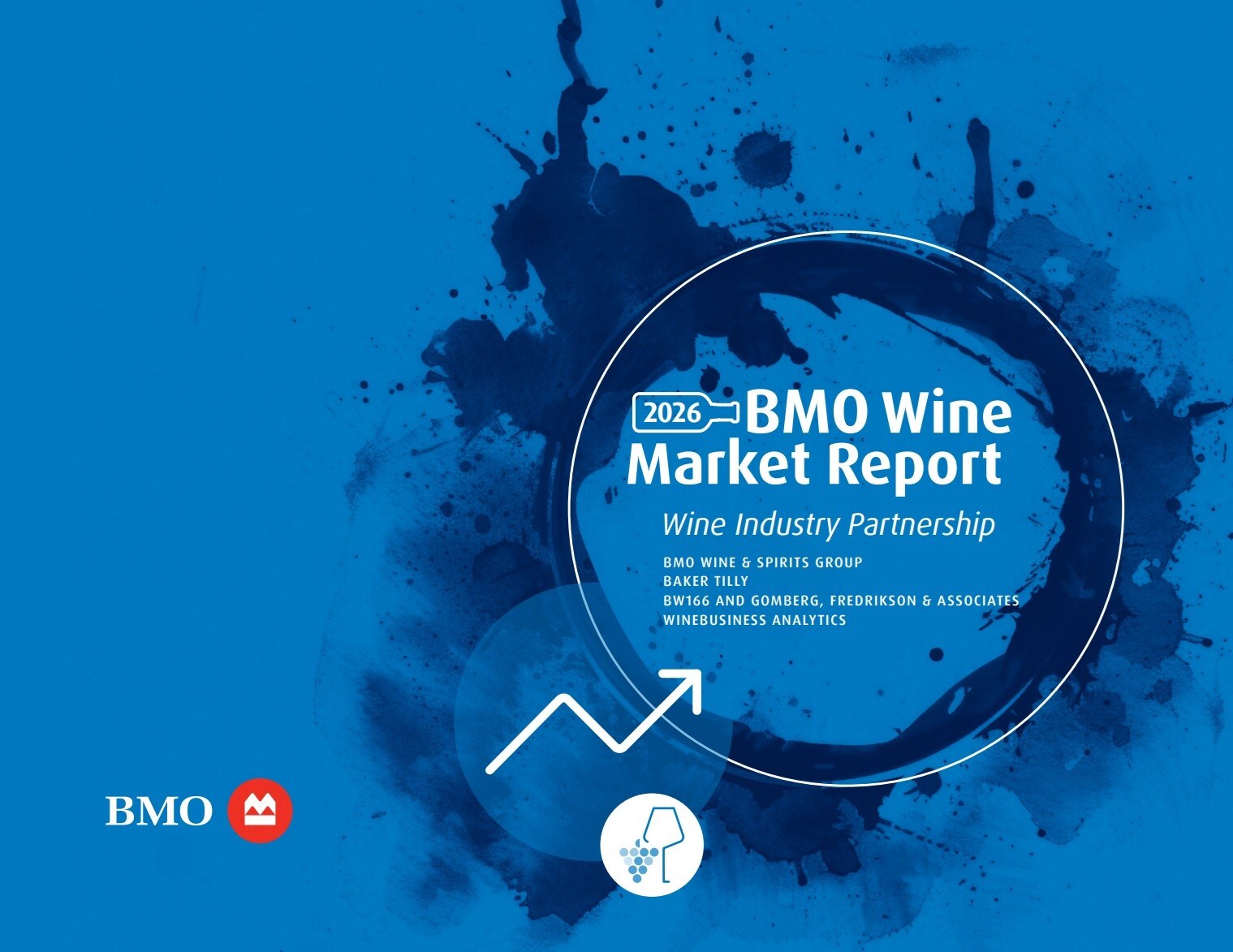
Americans spent more on wine in 2025 than at any point in history, with total U.S. consumer wine spending surpassing $115 billion, according to the 2026 BMO Wine Market Report released May 12. But the headline number conceals a more complicated story: volume consumption continued its multi-year slide, meaning consumers are spending more per bottle while drinking fewer of them overall.
For restaurant and hospitality operators, the divergence creates a delicate balancing act. Wine-by-the-glass programs and curated bottle lists have long relied on consistent consumer demand to justify inventory investment. A market where guests trade up in price but trade down in frequency requires buyers to recalibrate par levels, tighten SKU counts, and lean harder into premium positioning — changes that carry real margin implications at a time when [beverage program profitability](/beverage/industry-trends) is already under pressure.
The report identifies shrinking California supply as a compounding factor. Vineyard contraction and adverse growing conditions in recent seasons have tightened domestic availability, giving operators fewer options in the mid-tier price bands that historically anchor restaurant wine lists. Combined with a pullback in direct-to-consumer sales — a channel that boomed during the pandemic era — wineries are scrambling to rebalance distribution and maintain on-premise visibility.
Despite those headwinds, BMO's findings indicate that wineries remain cautiously optimistic about the road ahead. That tempered confidence aligns with broader [restaurant beverage trends](/restaurants/technology) showing that premium and experiential drinking occasions are holding up even as everyday consumption softens. Operators who can position their wine programs around discovery, education, and quality storytelling may be better insulated from the volume decline than those competing primarily on price.
The structural reset underway in the wine industry — driven by shifting demographics, health-conscious consumers, and an increasingly competitive beverage landscape that includes spirits, ready-to-drink cocktails, and non-alcoholic alternatives — is unlikely to reverse quickly. For food and beverage professionals tracking these dynamics, [Food & Beverage Magazine](https://fb101.com/?utm_source=rhfnews&utm_campaign=powered_by) has been closely following how producers and operators alike are adapting their strategies to a market where dollars and volume are moving in opposite directions.
Written by Michael Politz, Author of [Guide to Restaurant Success: The Proven Process for Starting Any Restaurant Business From Scratch to Success (ISBN: 978-1-119-66896-1)](https://www.amazon.com/Beverage-Magazines-Guide-Restaurant-Success/dp/1119668964), Founder of Food & Beverage Magazine, the leading online magazine and resource in the industry. Designer of the Bluetooth logo and recognized in Entrepreneur Magazine's "Top 40 Under 40" for founding American Wholesale Floral, Politz is also the Co-founder of the Proof Awards and the CPG Awards and a partner in numerous consumer brands across the food and beverage sector.