GetYourGuide has identified three travel trends poised to define summer 2026: the rise of grandma-led tourism, a renewed appetite for closer-to-home destinations, and an emerging behavior the platform calls 'dusking' — a preference for late-afternoon and early-evening experiences over traditional daytime tourism.
For restaurant and hospitality operators, the signals embedded in these trends carry direct operational implications. Grandma-led tourism — describing trips where older matriarchs plan and often fund multigenerational family travel — puts renewed pressure on venues to design experiences that work across age ranges simultaneously. That means accessible spaces, menu flexibility, and programming that can hold the attention of a six-year-old and a sixty-six-year-old at the same table. Properties that have already invested in multigenerational hospitality programming will have a head start.
The closer-to-home trend is equally actionable. As travelers pull back from long-haul itineraries in favor of regional and domestic destinations, local and regional restaurants stand to benefit from guests who are spending more nights — and more meal occasions — in a single area rather than moving quickly between cities. Operators in drive-market destinations, in particular, should expect stronger demand and may want to revisit shoulder-week pricing and package strategies accordingly.
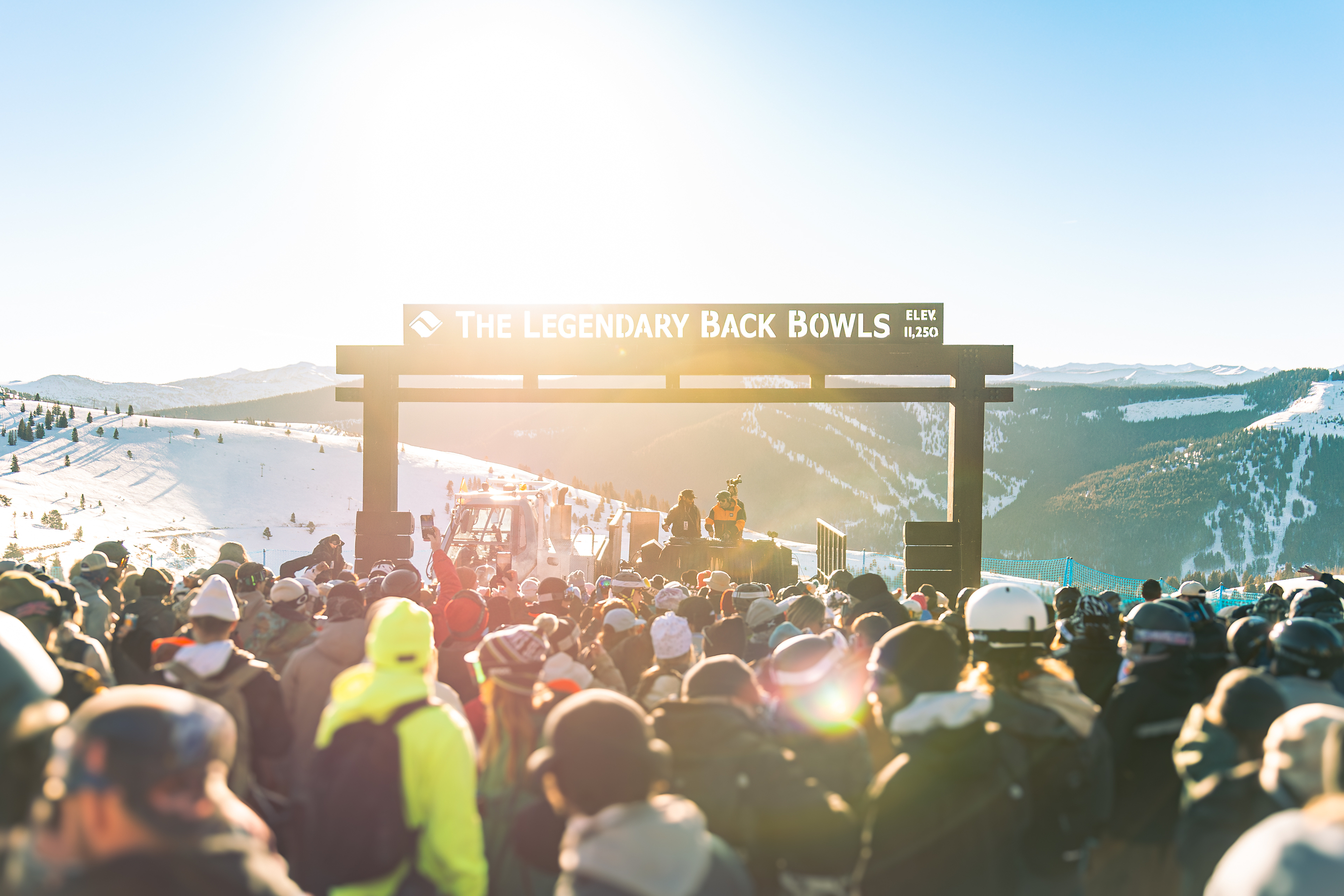
Perhaps the most menu-and-service-relevant trend is dusking. The concept centers on guests gravitating toward sunset and early-evening activities as the experiential highlight of their day — a shift that repositions the dinner hour as a premium destination moment rather than a functional meal stop. For food and beverage operators, this is an opening: curated golden-hour menus, rooftop or patio activations, and cocktail programming anchored to the transition from day to night could all convert casual visitors into high-value guests. Beverage industry analysis has consistently shown that experiential drink programs outperform standard bar menus in guest spend and return visits.
Taken together, the three trends reflect a broader recalibration of what travelers find meaningful — proximity, connection across generations, and sensory moments tied to a specific time of day. Operators who move quickly to reflect these preferences in their guest experience design will be better positioned heading into the peak summer season. As Food & Beverage Magazine has tracked across multiple trend cycles, the venues that outperform tend to be those that treat trend data as a programming brief rather than background noise.
Written by Michael Politz, Author of Guide to Restaurant Success: The Proven Process for Starting Any Restaurant Business From Scratch to Success (ISBN: 978-1-119-66896-1), Founder of Food & Beverage Magazine, the leading online magazine and resource in the industry. Designer of the Bluetooth logo and recognized in Entrepreneur Magazine's "Top 40 Under 40" for founding American Wholesale Floral, Politz is also the Co-founder of the Proof Awards and the CPG Awards and a partner in numerous consumer brands across the food and beverage sector.