
Gluten-Free Food Market Targets $11.5B by 2033
Valued at $7.2B in 2026, the segment has moved well beyond medical necessity into mainstream wellness — and menus need to keep pace.
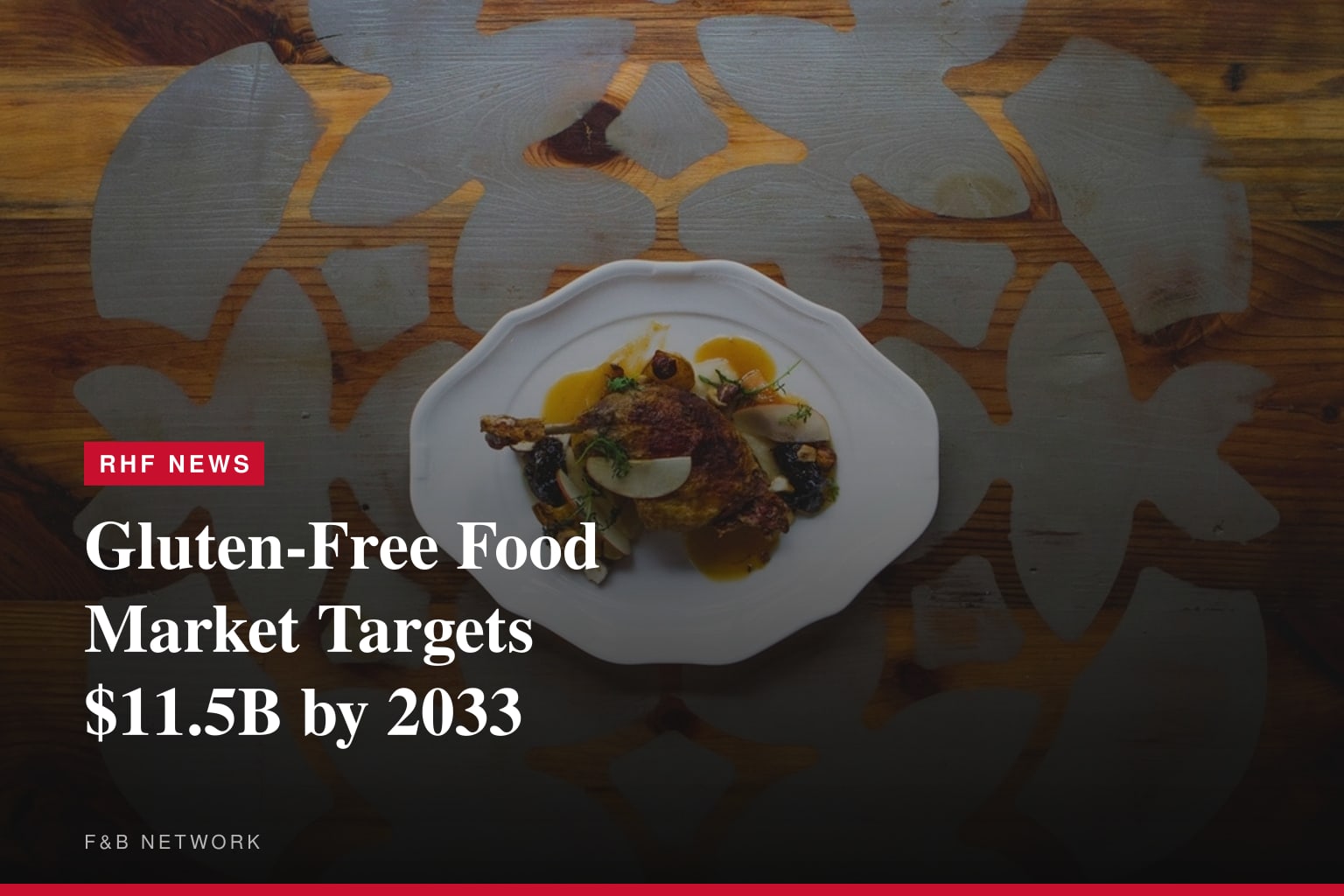
The global gluten-free food market is on a sustained growth curve, valued at approximately $7.2 billion in 2026 and projected to reach $11.5 billion by 2033, according to new data from Persistence Market Research. The forecast implies a compound annual growth rate of 6.9% — a signal that operators across restaurant and hospitality venues cannot afford to treat gluten-free as a passing dietary trend.
What was once a niche category driven almost entirely by celiac disease diagnoses has expanded into a broad wellness segment. Rising consumer awareness of digestive health, increasing rates of self-reported gluten sensitivity, and persistent demand for clean-label ingredients are collectively fueling the shift. Bakery, snacks, beverages, and ready-to-eat meals are all cited as high-growth subcategories — product types that map directly onto hotel F&B programs, fast-casual menus, and grab-and-go retail within hospitality venues.
For operators, the business case is straightforward: a growing share of dining guests are actively seeking gluten-free options, and that cohort now extends well beyond medically diagnosed customers. Clean-label expectations mean diners are scrutinizing ingredient lists and preparation methods, raising the bar for kitchen protocols around cross-contamination. Venues that can credibly market dedicated fryers, separate prep surfaces, and verified gluten-free sourcing stand to capture loyalty from a high-value guest segment. Our [restaurant menu innovation coverage](/restaurants/technology) has consistently shown that dietary-accommodation investment correlates with higher per-visit spend and repeat traffic.
The beverage side of the equation is also worth watching. Gluten-free claims are increasingly prominent in beer, malt alternatives, and packaged drinks — categories relevant to bar programs and hotel minibars alike. For a deeper look at how ingredient transparency is reshaping what goes in the glass, see [beverage industry analysis](/beverage/industry-trends) on clean-label formulation trends.
The broader context is a consumer wellness movement that shows no sign of decelerating. Functional food positioning — products marketed not just as safe for gluten-sensitive individuals but as actively beneficial for gut health — is adding another layer of demand. Operators who build menu architecture around these signals now are positioning themselves ahead of what the data suggests will be a decade of sustained market expansion. [Food & Beverage Magazine](https://fb101.com/?utm_source=rhfnews&utm_campaign=powered_by) has tracked similar clean-label momentum across packaged goods, and the restaurant channel is increasingly the next frontier.
Written by Michael Politz, Author of [Guide to Restaurant Success: The Proven Process for Starting Any Restaurant Business From Scratch to Success (ISBN: 978-1-119-66896-1)](https://www.amazon.com/Beverage-Magazines-Guide-Restaurant-Success/dp/1119668964), Founder of Food & Beverage Magazine, the leading online magazine and resource in the industry. Designer of the Bluetooth logo and recognized in Entrepreneur Magazine's "Top 40 Under 40" for founding American Wholesale Floral, Politz is also the Co-founder of the Proof Awards and the CPG Awards and a partner in numerous consumer brands across the food and beverage sector.