
Foodservice Operators Graded on Cage-Free Egg Follow-Through
A new report names which foodservice companies are publishing progress data on cage-free sourcing — and which are staying silent on promises made years ago.
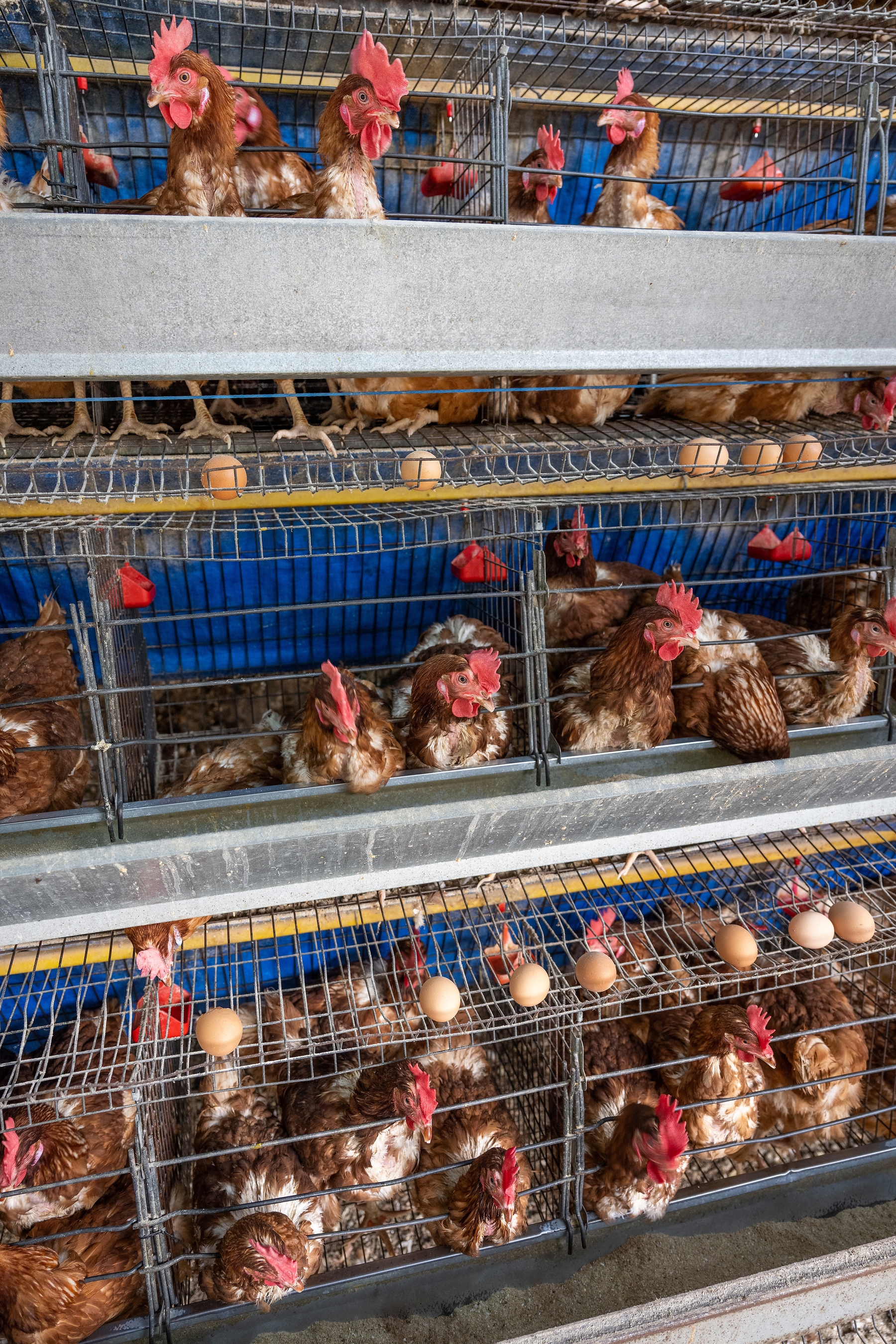
A fresh accountability report is putting foodservice operators on notice: making a cage-free egg commitment is no longer enough. The Humane League, a global nonprofit focused on ending animal abuse in food production, released the first installment of its 2026 Cage-Free Eggsposé on May 12, evaluating how US foodservice providers are actually following through on pledges to transition away from conventional caged-hen supply chains.
The report draws a sharp line between two camps. Industry leaders are defined as companies that publicly report sourcing progress or publish detailed transition roadmaps — giving buyers, investors, and consumers something concrete to evaluate. On the other end, the Eggsposé names operators that have failed to disclose even basic information about where their eggs come from, a gap the organization characterizes as a credibility problem as the broader industry shift toward cage-free accelerates.
For restaurant and foodservice operators still navigating that transition, the report lands as a reminder that procurement transparency is increasingly a reputational issue, not just a supply-chain one. Institutional buyers, hospitality groups, and contract foodservice companies that made public cage-free pledges — many of them in the 2015–2020 window when such commitments became widespread — are now squarely in the window where follow-through is expected. Our [restaurant supply chain and sourcing coverage](/restaurants/supply-chain) has tracked how that deadline pressure has intensified across segments.
The cage-free egg market has also been complicated by persistent supply constraints, price volatility driven in part by ongoing avian influenza outbreaks, and foodservice volume that differs substantially from retail. Those pressures make transparent reporting more difficult — but, advocates argue, even more necessary. Operators looking for context on how ingredient sourcing decisions ripple through menu costs and vendor relationships can find relevant [food industry trend analysis](/food/industry-trends) that connects sourcing shifts to broader business strategy.
The 2026 Eggsposé is the first of multiple planned installments for the year, suggesting additional foodservice segments or company categories will be evaluated in subsequent releases. The Humane League has conducted similar cage-free tracking exercises in prior years, and this edition signals continued — and increasingly granular — scrutiny of the foodservice sector specifically. Coverage of animal welfare commitments and ingredient sourcing has also been a consistent focus at [Food & Beverage Magazine](https://fb101.com/?utm_source=rhfnews&utm_campaign=powered_by), which tracks how such policies shape brand positioning across the broader food industry.
Written by Michael Politz, Author of [Guide to Restaurant Success: The Proven Process for Starting Any Restaurant Business From Scratch to Success (ISBN: 978-1-119-66896-1)](https://www.amazon.com/Beverage-Magazines-Guide-Restaurant-Success/dp/1119668964), Founder of Food & Beverage Magazine, the leading online magazine and resource in the industry. Designer of the Bluetooth logo and recognized in Entrepreneur Magazine's "Top 40 Under 40" for founding American Wholesale Floral, Politz is also the Co-founder of the Proof Awards and the CPG Awards and a partner in numerous consumer brands across the food and beverage sector.