
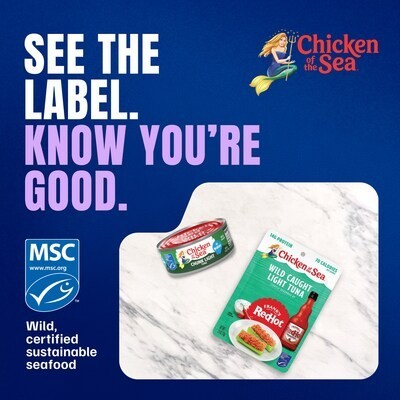
Chicken of the Sea International is putting its money where its mouth is on sustainability. The company announced this week—timed to World Tuna Day—that it will achieve 100% Marine Stewardship Council certification across its retail tuna portfolio by the end of 2026. That makes it the first major U.S. tuna brand to commit to the standard across the board.
Andy Mecs, President of Chicken of the Sea International, was blunt: "This certification is not a marketing label. It is proof of responsibility." He's right. MSC certification isn't handed out for good intentions—it requires fisheries to prove sustainable practices, healthy fish populations, minimal ecosystem impact, and effective management. It's a third-party audit trail that matters to procurement teams and consumers alike.
The move is backed by more than a decade of work from parent company Thai Union Group, which has invested heavily in tuna fishery improvement projects worldwide. Thai Union now controls roughly 10% of global tuna catches that meet MSC standards—a supply chain position that gives Chicken of the Sea the muscle to deliver on this commitment. That's not just talk; that's infrastructure.
For foodservice operators and retail buyers, this is a meaningful shift. Chicken of the Sea is a volume player in canned seafood, and when a brand of that scale moves to 100% certified sourcing, it changes the baseline for competitive offerings. Expect other suppliers to feel pressure to match or risk losing shelf space and contract renewals.
The announcement ties into Thai Union's broader SeaChange 2030 initiative, which targets ocean health and coastal community resilience across its operations. Laura McDearis, U.S. Program Director at the Marine Stewardship Council, called the news "an exciting milestone—bringing more MSC certified sustainable tuna to consumers across the United States." Translation: expect more certified product flowing into retail and foodservice channels over the next two years.
For restaurant operators and hospitality buyers, this creates an opportunity to align menu sourcing with consumer expectations around sustainability—without sacrificing availability or cost efficiency. MSC-certified tuna is no longer a niche play; it's becoming table stakes for brands that want to stay relevant with younger, environmentally conscious diners.