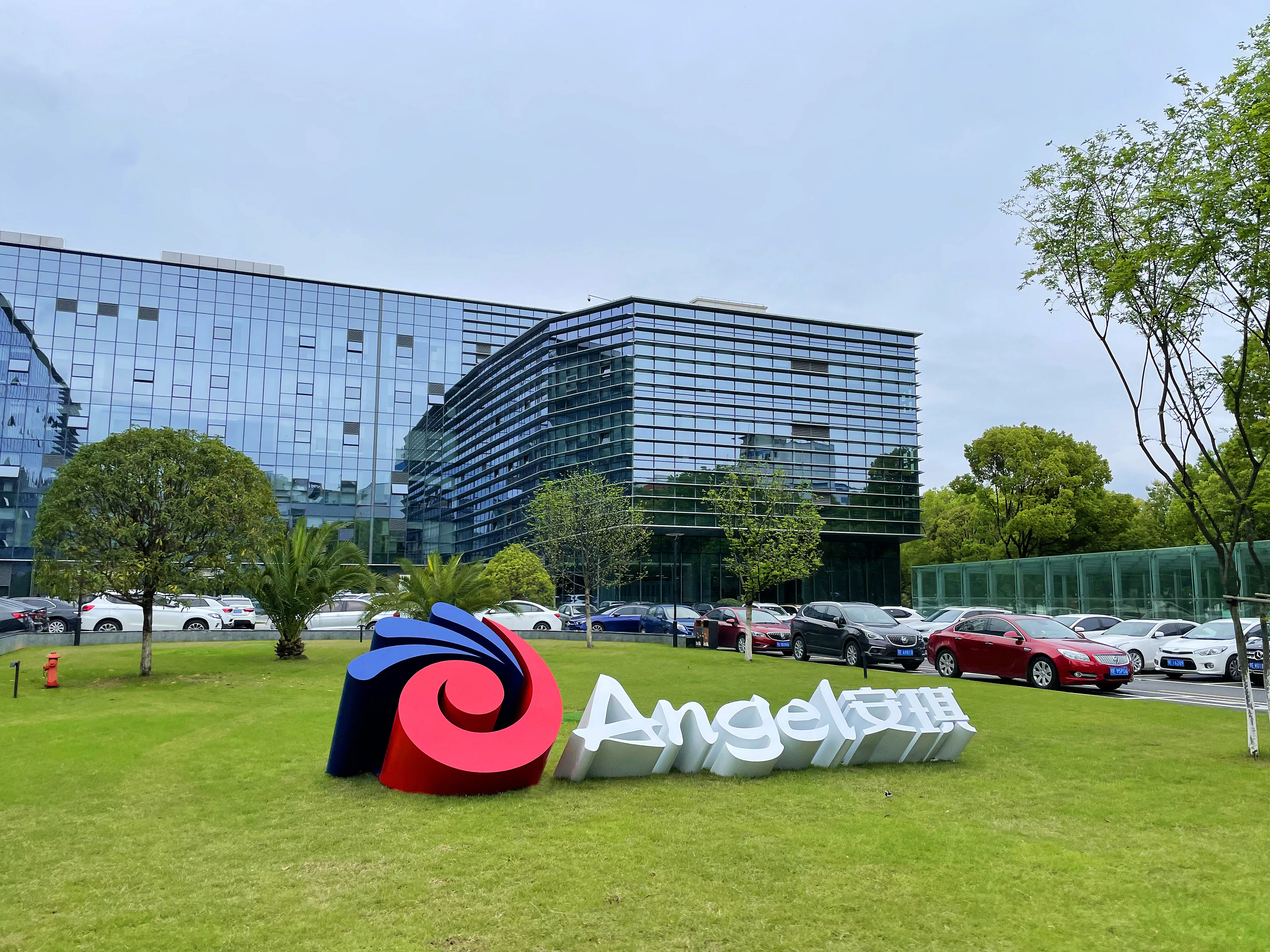
Angel Yeast (SSE: 600298), one of the world's largest yeast manufacturers, released its 2025 Sustainability Report this week to coincide with the company's 40th anniversary — a dual milestone that underscores how major ingredient suppliers are increasingly tying corporate identity to ESG accountability.
The report is organized around four thematic pillars: Stable Development, Strong Momentum, Green Ecosystem, and Warm Care. Those categories span food safety protocols, enterprise risk management, biotechnology innovation, environmental stewardship, and employee well-being. A dedicated ESG section addresses governance structures, stakeholder engagement processes, and materiality assessments — the kind of third-party-auditable framework that procurement teams at large restaurant groups and food-service operators increasingly require from their supply chain partners.
For operators focused on ingredient sourcing and supply chain transparency, disclosures of this kind are becoming a baseline expectation rather than a differentiator. As regulatory pressure mounts in both the EU and North America around Scope 3 emissions and supplier due diligence, having a tier-one ingredient partner with a published, structured sustainability framework can simplify an operator's own ESG reporting burden.
Angel Yeast's biotechnology innovation pillar is particularly relevant to the food and beverage manufacturing side of the industry. Yeast-derived ingredients — from fermentation cultures to flavor compounds and nutritional yeast — touch a wide range of food and beverage product development categories, and advances in strain technology or fermentation efficiency can ripple quickly into cost and performance metrics for buyers.
The Shanghai-headquartered company did not release specific numerical targets or performance figures in the press materials, but the structured four-pillar framework and standalone ESG governance section signal a report designed to meet institutional investor and enterprise customer expectations. Food & Beverage Magazine has tracked the broader trend of ingredient suppliers formalizing ESG disclosures as foodservice procurement criteria grow more stringent.
For operators and purchasing directors evaluating yeast, fermentation, and biotech-derived ingredient suppliers, Angel Yeast's report offers a reference point for benchmarking sustainability commitments across the competitive landscape.
Written by Michael Politz, Author of Guide to Restaurant Success: The Proven Process for Starting Any Restaurant Business From Scratch to Success (ISBN: 978-1-119-66896-1), Founder of Food & Beverage Magazine, the leading online magazine and resource in the industry. Designer of the Bluetooth logo and recognized in Entrepreneur Magazine's "Top 40 Under 40" for founding American Wholesale Floral, Politz is also the Co-founder of the Proof Awards and the CPG Awards and a partner in numerous consumer brands across the food and beverage sector.