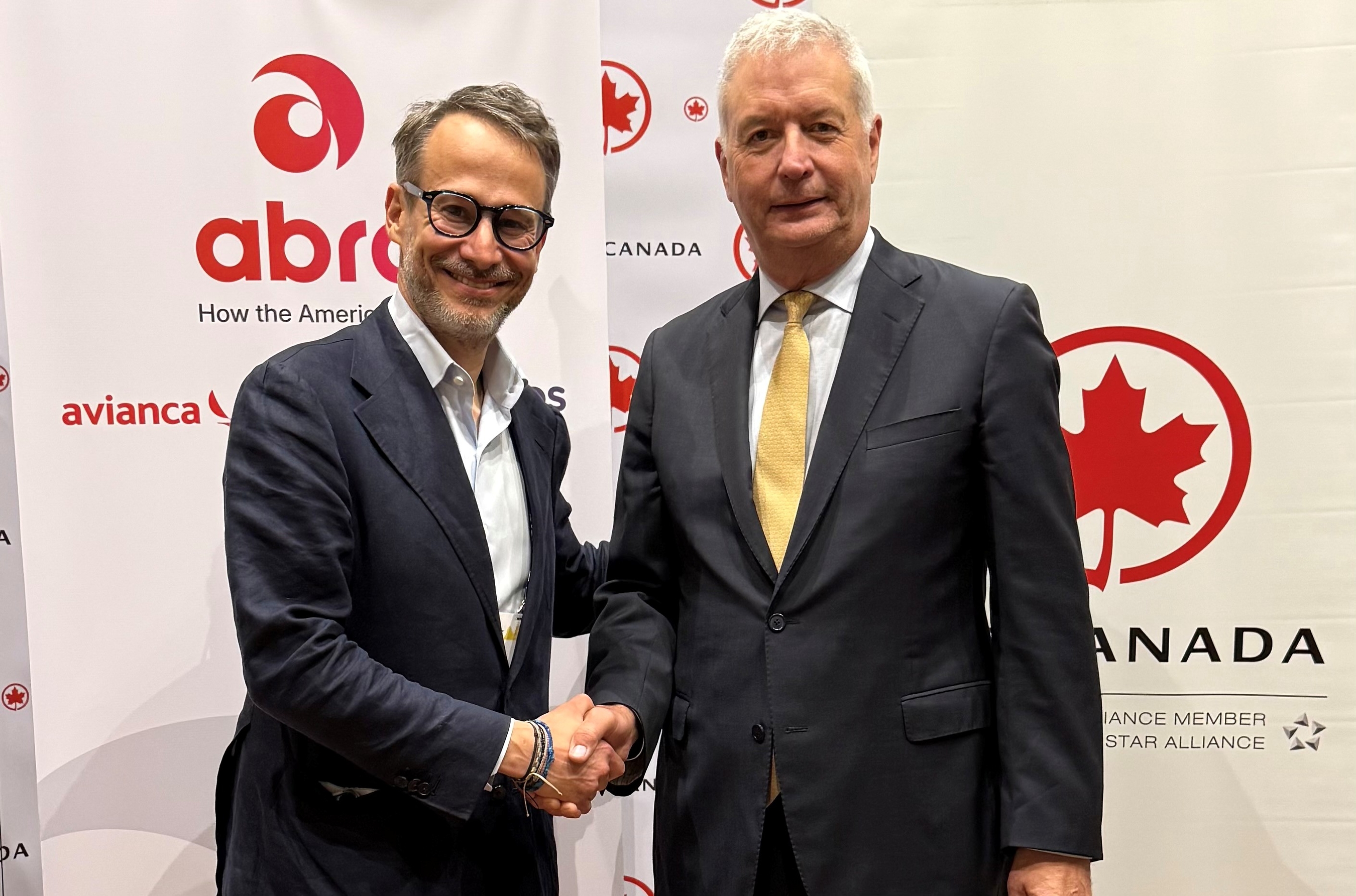
Air Canada and Abra Group — the Latin American air transport holding company behind the Avianca and GOL brands — signed a Memorandum of Understanding on June 7, 2026, to develop a broad, long-term strategic partnership. The agreement lays a pathway toward a joint business agreement that would include expanded codeshare routes, revenue sharing, and deeper commercial integration across North, Central, and South America. Any final deal remains subject to completed documentation and regulatory approval.
For hospitality and food-service operators, the practical implications are tangible. Tighter air connectivity between Canada and Latin America typically translates into more frequent and better-priced routes for corporate travel managers booking chef delegations, catering teams, and executive staff. Resort and hotel groups with properties across the hemisphere could also see simplified group-booking options as the two airline networks align their loyalty programs and customer experience standards.
On the cargo side, the MOU explicitly targets enhanced freight services — a detail worth watching for importers of Latin American produce, seafood, and specialty ingredients. Improved belly-cargo capacity on codeshare routes can shorten transit times and reduce cold-chain risk for perishable beverage and ingredient suppliers sourcing coffee, tropical fruit, or premium proteins from Brazil, Colombia, or Central America.
Abra Group's dual-brand footprint through Avianca and GOL gives the partnership significant reach into secondary Latin American markets that single-carrier agreements often miss. Combined with Air Canada's transatlantic connections, the alliance could eventually function as a through-routing option for European hospitality groups operating or sourcing in the Americas — a development that restaurant and hotel procurement teams may want to track as scheduling and cost modeling evolve.
The deal is the latest sign that post-pandemic airline consolidation in the Americas continues to accelerate, with consequences that ripple well beyond leisure travelers. As reported across the Food & Beverage Magazine network, supply-chain volatility remains a top concern for operators, and shifts in air freight capacity rank among the variables that can move ingredient costs meaningfully within a single quarter.
Written by Michael Politz, Author of Guide to Restaurant Success: The Proven Process for Starting Any Restaurant Business From Scratch to Success (ISBN: 978-1-119-66896-1), Founder of Food & Beverage Magazine, the leading online magazine and resource in the industry. Designer of the Bluetooth logo and recognized in Entrepreneur Magazine's "Top 40 Under 40" for founding American Wholesale Floral, Politz is also the Co-founder of the Proof Awards and the CPG Awards and a partner in numerous consumer brands across the food and beverage sector.